
10 Self-Care Rituals to Start in 2021
Caring for your mental health has never been as important as it has ever been. Here are some tips to get you started.
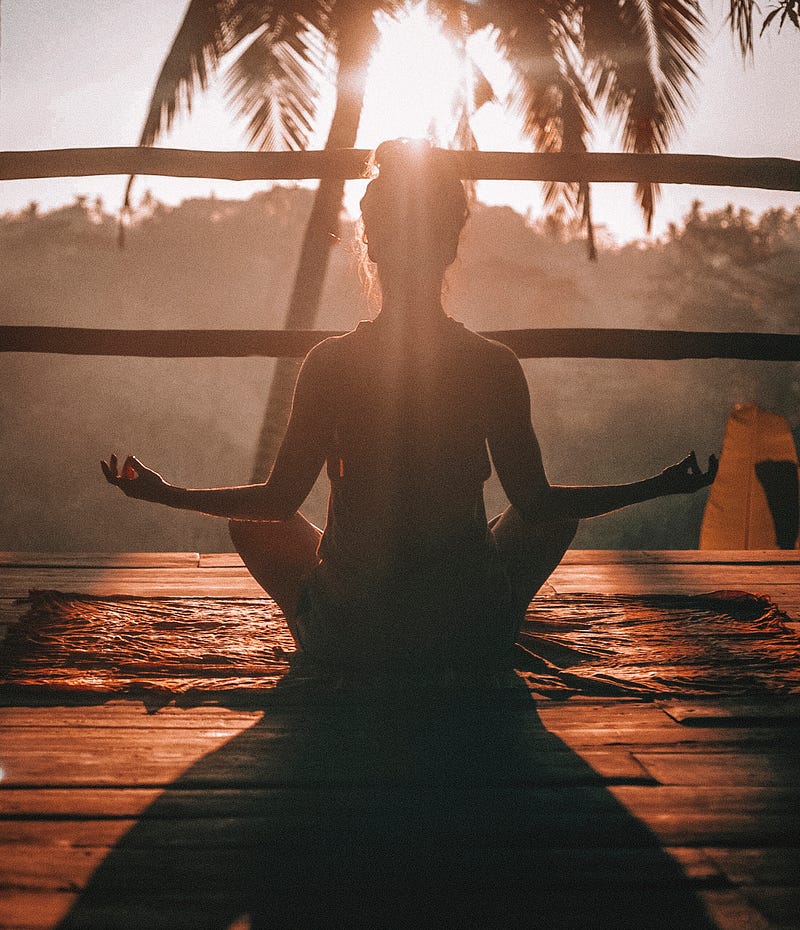
We’ve all had a tough year in 2020. So far, by the looks of things, 2021 isn’t shaping up to be a better one. From lockdowns to panicked toilet paper buying, homeschooling to working from home — there really is so much to be stressed about.
The only thing that kept me sane last year was starting new self-care rituals. It helped me deal with the stress of juggling taking care of my family while working. If you haven’t yet, it’s time to slow down and check-in for some “me” time. Here are some self-care rituals for you to start in 2021:
- Get a general health checkup — With Covid still out there, getting your routine check-up done is not always easy. Planning ahead is the trick to get this done right. Call your doctor’s office to find out what the new policies are for coming in for an in-person visit. Ask if they offer telehealth services. According to the CDC, telehealth has been made available for some low-risk but urgent conditions such as high blood pressure, diabetes, and more.
- See your other health specialists, too — While visiting your primary care provider is a must. Don’t forget about your other health specialists, too. These could include your gynecologist, dentist, dermatologist, and optometrist. If you’re at home most of the time now, it’s easy to forget that you still need to care for your eyes, teeth, and skin.
- Focus on your mental health — Continue seeing your therapist if you have one. You can also do small things that can improve your current mental state such as taking some time away from work just to relax, exploring your creative side through writing or painting, keeping a journal of your pandemic experience.
- Be physically active — A lot of people have included getting in shape as part of their New Year’s Resolutions, but now is as good a time as any to start getting physically active. Even if you have no intention of taking on a new workout routine, adding just a bit of physical activity is good for both the body and the mind. Try some low-impact activities such as yoga or brisk walking. You can also try lifting some light weights. According to a study in Medicine & Science in Sports & Exercise, the risk of cardiac events such as heart attack and stroke are 70% lower for people who lift weights twice a week versus those who’ve never done it. Pick a workout routine that suits your needs and get moving.
- Eat right — It’s not about losing weight, but rather finding food that’s good for your body. Add more fruits and veggies to your diet. Drink more water and less alcohol. Eat more home-cooked meals than fast-food. Cut out the junk food from your diet. Your dietary changes don’t have to be drastic. Just try to make better choices when it comes to food.
- Get organized — Declutter your space — whether it be your bedroom or your workspace — can significantly decrease stress. You can start with small spaces that are easy to work with. Maybe that pile of laundry that needs to be folded and kept? Or your work desk at home would also be a good place to get started. Your environment plays a role in how you feel, so getting organized might help you deal with the daily stress of life better.
- Get at least 7 hours of sleep each night- According to the CDC, 1 in 3 Americans don’t get enough sleep. Adults need 7 hours of sleep or more each night. Lack of sleep is linked to several diseases and conditions including heart disease, type 2 diabetes, obesity, and depression. So, start clocking in those extra hours of sleep. If you have time for it, try doing short power naps in the middle of the day, too. It does wonders for getting your energy levels back up to face the rest of a tiring day.
- Stay social — Go ahead and plan those girls' nights or beer with the boys. It could be an appropriately distanced event or even a virtual one. All the events that happened in 2020 should remind us how much we need other people in our lives. We should all try to continue connecting with others genuinely despite the limitations that are now in place about how we could do this.
- Unfollow negative people — We spend so much time on the internet and social media these days. Sometimes, we unintentionally expose ourselves to people who are toxic and who are not good for us. With the time we spend looking at feeds, it’s best not to have them there in the first place. Cut the ties now and clear your friends' list of the people who should not be in your virtual life. Check your Instagram, Twitter, Facebook, and other channels when you’re doing your clean up. Follow only the brands and the people who make you feel better about yourself, your life, and the choices you make. Done doing that for social media? You can do it in real life too! Reassess your relationships with people and start moving away from those who negatively impact your mental health. You will thank yourself later for culling all the negative vibes from your life.
- Write down your goals and dreams — I love doing visioning exercises and often find myself achieving more of my goals when I write them down. Think about what you really want to focus on for 2021. Is it your career, your personal life, your relationship, your health, or your finances? Whatever it may be, try writing them down on paper (or typing them up if you want to keep it online) so you have a reminder of what it is you want to achieve.
Just remember, self-care is never a selfish act. We all need to do this. The better you take care of yourself, the more energy you will have to care for others. Self-care is also not a one-off activity. Build good habits of being good to yourself and over time, you’ll see how it positively impacts both mind and body.