avatarArslan Mirza

Free AI web copilot to create summaries, insights and extended knowledge, download it at here

4505

Abstract

rthurian legend?</p></blockquote><p id="adcc">He could wave his wand and get things done with ease. Python, in a way, is the Merlin of programming languages.</p><h1 id="9fa6">3. Generators</h1><figure id="5052"><img src="https://cdn-images-1.readmedium.com/v2/resize:fit:800/1*vYZw04Lw_D2GMsIMhFfmOg.png"><figcaption><a href="https://www.boardinfinity.com/blog/content/images/2023/05/Generator-in-Python.png">image source</a></figcaption></figure><p id="84a3">Have you ever felt overwhelmed by handling vast amounts of data? Enter Python’s generators. Instead of consuming memory like a voracious monster, generators allow you to stream data, processing one item at a time.</p><p id="da50">It’s like watching Netflix without downloading the entire series.</p><h1 id="3b17">4. Decorators</h1><figure id="00b6"><img src="https://cdn-images-1.readmedium.com/v2/resize:fit:800/1*frYxoX2eNIK4Z_JmgSUhHg.png"><figcaption><a href="https://www.csestack.org/wp-content/uploads/2019/09/Python-Decorators-Explained.png">image source</a></figcaption></figure><p id="4f74">Imagine having a superpower ring. Each time you wear it, you gain a new ability. That’s what decorators do for functions in Python. They augment and modify functions without altering their core.</p><p id="edfc">Have you heard about the Flask web framework? If yes, you’ve seen decorators in action, turning regular functions into web routes. If that isn’t wizardry, I don’t know what is.</p><figure id="233f"><img src="https://cdn-images-1.readmedium.com/v2/resize:fit:800/1*kZmVVHVqBlTiaXqXJrqCRg.jpeg"><figcaption></figcaption></figure><figure id="de61"><img src="https://cdn-images-1.readmedium.com/v2/resize:fit:800/1*kKMxPGINiElJ7jpkymTebw.png"><figcaption></figcaption></figure><blockquote id="8ddc"><p>In today’s age, data is the new gold. Or perhaps, the new chocolate? Both valuable and delightful.</p></blockquote><h1 id="9eba">5. Dynamic Typing</h1><figure id="0775"><img src="https://cdn-images-1.readmedium.com/v2/resize:fit:800/1*at-dotwb5pN5micgRKdfxw.png"><figcaption><a href="https://cdn-wordpress-info.futurelearn.com/info/wp-content/uploads/2a9b3db4-7ff2-48fa-ade9-720c7717466c-768x206.png">image source</a></figcaption></figure><p id="2704">Gone are the days of declaring <code>int a = 10;</code>. In Python, it's just <code>a = 10</code>. Python’s dynamic typing allows it to infer the type, making coding faster and more intuitive. It's like having a personal assistant who understands what you want without you spelling it out.</p><h1 id="1266">6. Dictionaries</h1><figure id="6dc8"><img src="https://cdn-images-1.readmedium.com/v2/resize:fit:800/1*D3GcV4wzUxiJgOJnpWrXSQ.png"><figcaption><a href="https://miro.readmedium.com/v2/resize:fit:862/1*ROkA74UMhsrU0KfifblGUg.png">image source</a></figcaption></figure><p id="491d">The heart of Python’s data structures. Think of dictionaries as personalized treasure chests where you can store data with custom labels. No more fumbling around with indices; call your data by its name.</p><h1 id="968e">7. Multiple Assignment</h1><figure id="127c"><img src="https://cdn-images-1.readmedium.com/v2/resize:fit:800/1*jqC3mJ0cu4MjYwhYx4avRw.jpeg"><figcaption><a href="https://i.ytimg.com/vi/DiwTQ86W1P0/maxresdefault.jpg">image source</a></figcaption></figure><p id="237c"><code>x, y = 1, 2</code>. With this simple technique, Python lets you assign multiple variables at once. It’s the programming equivalent of a magic trick where the magician pulls out multiple rabbits from a hat.</p><figure id="e1c2"><img src="https://cdn-images-1.readmedium.com/v2/resize:fit:800/1*kZmVVHVqBlTiaXqXJrqCRg.jpeg"><figcaption></figcaption></figure><figure id="13bd"><img src="https://cdn-images-1.readmedium.com/v2/resize:fit:800/1*bfmH-CJ90bL__cjNAptg9A.png"><figcaption></figcaption></figure><blockquote id="dbc8"><p>Now we uncover the advanced treasures that have made developers’ lives not just easier, but almost mythical.</p></blockquote><h1 id="fa5d">8. Lambda, Map, Filter, and Reduce</h1><figure id="738d"><img src="https://cdn-images-1.readmedium.com/v2/resize:fit:800/1*oBhxV5rU2BpkJaQTFrVHOg.png"><figcaption><a href="https://editor.analyticsvidhya.com/uploads/32358Screenshot%202021-09-10%20at%207.47.28%20AM.png">image source</a></figcaption></figure><p id="6755">Let’s play a game. What do you think when you hear “lambda”? A Greek letter? A secret society? Well, in Python, lambda is a tool to craft anonymous, throwaway functions on the fly.</p><p id="0e0b"><b>Combine this with

Options

the magical trio:</b> map, filter, and reduce, and you can transform lists without even breaking a sweat. It’s like conjuring potions with a mere whisper.</p><h1 id="a9bd">9. Context Managers and the with statement</h1><figure id="39c5"><img src="https://cdn-images-1.readmedium.com/v2/resize:fit:800/1*Lq3IKQGobESOKmjkRlnzqA.png"><figcaption><a href="https://media.geeksforgeeks.org/wp-content/uploads/20200427220209/Context-Managers.png">image source</a></figcaption></figure><p id="3f95">Ever felt the anxiety of leaving a file open or a resource undeleted? Python’s <code>with</code> statement ensures that resources are efficiently managed. Imagine it as an obedient house-elf from the world of Harry Potter, taking care of chores without being explicitly told.</p><h1 id="207d">10. Duck Typing</h1><figure id="e8c0"><img src="https://cdn-images-1.readmedium.com/v2/resize:fit:800/1*mDMnuuZO7Z0I3fxG3sTFdg.png"><figcaption><a href="https://www.algorystcorner.com/content/images/2023/02/image-22.png">image source</a></figcaption></figure><p id="7ef0">“If it looks like a duck, swims like a duck, and quacks like a duck, then it probably is a duck!” In Python, it’s not about <i>what</i> type the object is, but <i>what</i> it can do. This is a paradigm shift from conventional type systems, allowing for more flexibility. In essence, Python’s approach is: don’t judge a book by its cover but by its content.</p><figure id="7439"><img src="https://cdn-images-1.readmedium.com/v2/resize:fit:800/1*kZmVVHVqBlTiaXqXJrqCRg.jpeg"><figcaption></figcaption></figure><figure id="d569"><img src="https://cdn-images-1.readmedium.com/v2/resize:fit:800/1*o-Xu2GPz5jHgEsvY7eJYJg.png"><figcaption></figcaption></figure><p id="7af7">The tale of Python isn’t just about the techniques it introduced, but the philosophy it propagated: simplicity over complexity, readability over ambiguity, and above all, community collaboration.</p><p id="d221">Isn’t it astonishing how Python, with its focus on human-centric design, changed how we approach programming? No longer is coding the domain of the select few who can decipher cryptic commands. Python opened the gates, inviting everyone to the party.</p><p id="a0d0"><b>To all the brave souls who’ve journeyed this far:</b> whether you’re a student trying to wrangle that pesky assignment, a researcher harnessing data’s power, a professional pushing industry boundaries, or a self-learner riding the waves of curiosity, remember this: <b>Python isn’t just a tool, it’s a mindset.</b> And in the grand theatre of programming, it has etched its name as a legend.</p><p id="6a24"><i>Did this article spark an interest? Dive deeper, slay your dragons, and may you always find joy in the serpent’s embrace! For further readings and deep dives into Python’s wonderland, check out the official <a href="https://docs.python.org/3/">Python documentation</a>, the sacred tome of Pythonistas around the globe.</i></p><p id="5289">That’s it…Thanks.</p><p id="d28f">Clap👏</p><p id="0cda">Highlight🖍️</p><p id="bbef">Comment💻</p><figure id="9b3f"><img src="https://cdn-images-1.readmedium.com/v2/resize:fit:800/1*kZmVVHVqBlTiaXqXJrqCRg.jpeg"><figcaption></figcaption></figure><div id="6870" class="link-block"> <a href="https://levelup.gitconnected.com/if-i-had-to-master-python-all-over-again-id-start-here-dcf9d4020100"> <div> <div> <h2>If I Had to Master Python All Over Again, I’d Start Here</h2> <div><h3>Learn to become a modern Python developer</h3></div> <div><p>levelup.gitconnected.com</p></div> </div> <div> <div style="background-image: url(https://miro.readmedium.com/v2/resize:fit:320/1*mswek7K94pYCSD5mn7j6WQ.jpeg)"></div> </div> </div> </a> </div><div id="ca8c" class="link-block"> <a href="https://levelup.gitconnected.com/the-10-most-common-python-code-mistakes-1a8159fe1436"> <div> <div> <h2>The 10 Most Common Python Code Mistakes</h2> <div><h3>Oops! Common Python Slip-Ups to Watch Out For</h3></div> <div><p>levelup.gitconnected.com</p></div> </div> <div> <div style="background-image: url(https://miro.readmedium.com/v2/resize:fit:320/1*L3kwEtwsOzzvA-M6TrOz3w.png)"></div> </div> </div> </a> </div></article></body>

10 Python Techniques That Changed Programming Forever

This article is dedicated to all the passionate coders and Monty Python fans

Source: Midjourney Disney young girl sitting in front of a laptop

I would really appreciate it if you could please stay on the page for at least 30 seconds (clap, highlight, and respond) to help me support my work as per Medium’s new change. I’m finding it tough as a technical writer.😢 Your support means a lot. Thank you! 🙏

Say hello to Python! Not the slithering reptile, but the programming language named after the British comedy show, Monty Python. For those who have never dabbled in Python, the name might sound more like a curious circus act rather than a language that has revolutionized the tech industry. So, what made this language’s techniques the talk of the digital town?

The story starts with Guido van Rossum, who took a Christmas vacation to craft the foundation of Python in the late 1980s. Was he visited by the ghost of programming past? We may never know. But by the end, he gifted the world with a language that brought simplicity, readability, and flexibility.

Have you ever found yourself in a ‘never-ending bracket battle’ in other languages? Or maybe, you’ve been lost in the dense forest of semicolons. Python came as a breeze, replacing cryptic syntax with English-like phrases. If Shakespeare were a coder, he’d be a Python developer.

So, without further ado, let’s embark on a journey through the ten Python techniques that changed programming forever.


“Code is read more often than it’s written.” — Some Wise Programmer

1. Indentation
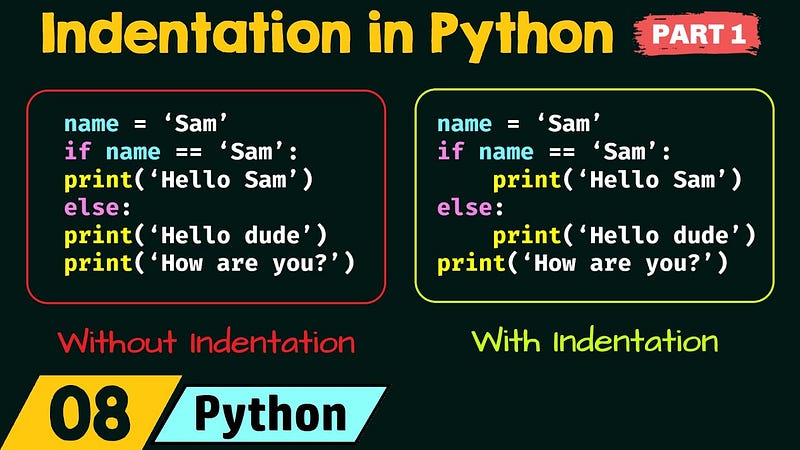
image source

While other languages treated whitespace like an overlooked shadow in the corner, Python embraced it. Instead of relying on curly braces {} to define code blocks, Python simply asks you to indent your code.

And hurrah! Just like that, the land of Python is clean and neat, ensuring that no coder gets lost.

2. List Comprehensions
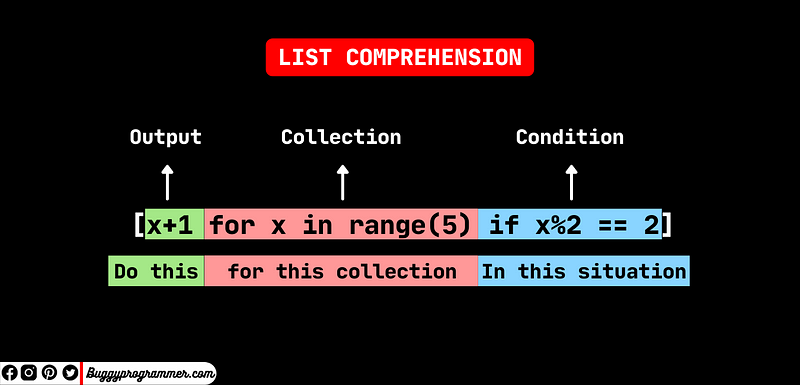
image source

Imagine being able to declare and populate a list in one elegant line. With Python, that’s a reality. List comprehensions are a prime example of Python’s dedication to making code not only functional but beautiful. It’s like creating a painting with a single brush stroke.

Remember the time when you had to write five lines of code in another language? In Python, that’s often reduced to one or two. And who doesn’t love efficiency paired with elegance?

Remember Merlin? The wizard from Arthurian legend?

He could wave his wand and get things done with ease. Python, in a way, is the Merlin of programming languages.

3. Generators
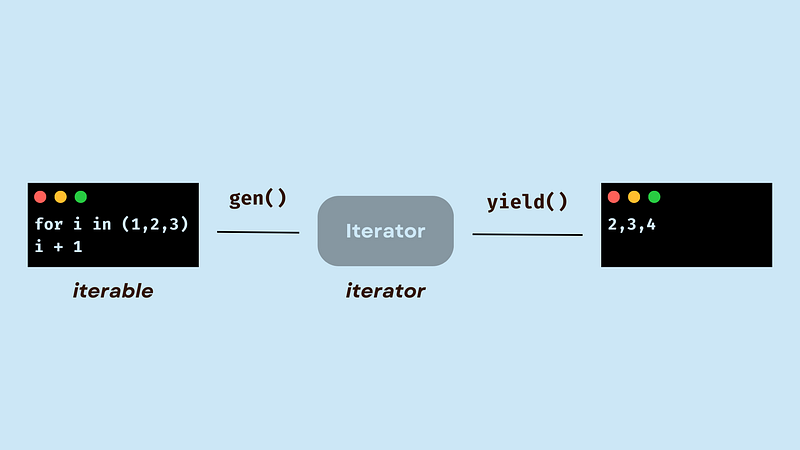
image source

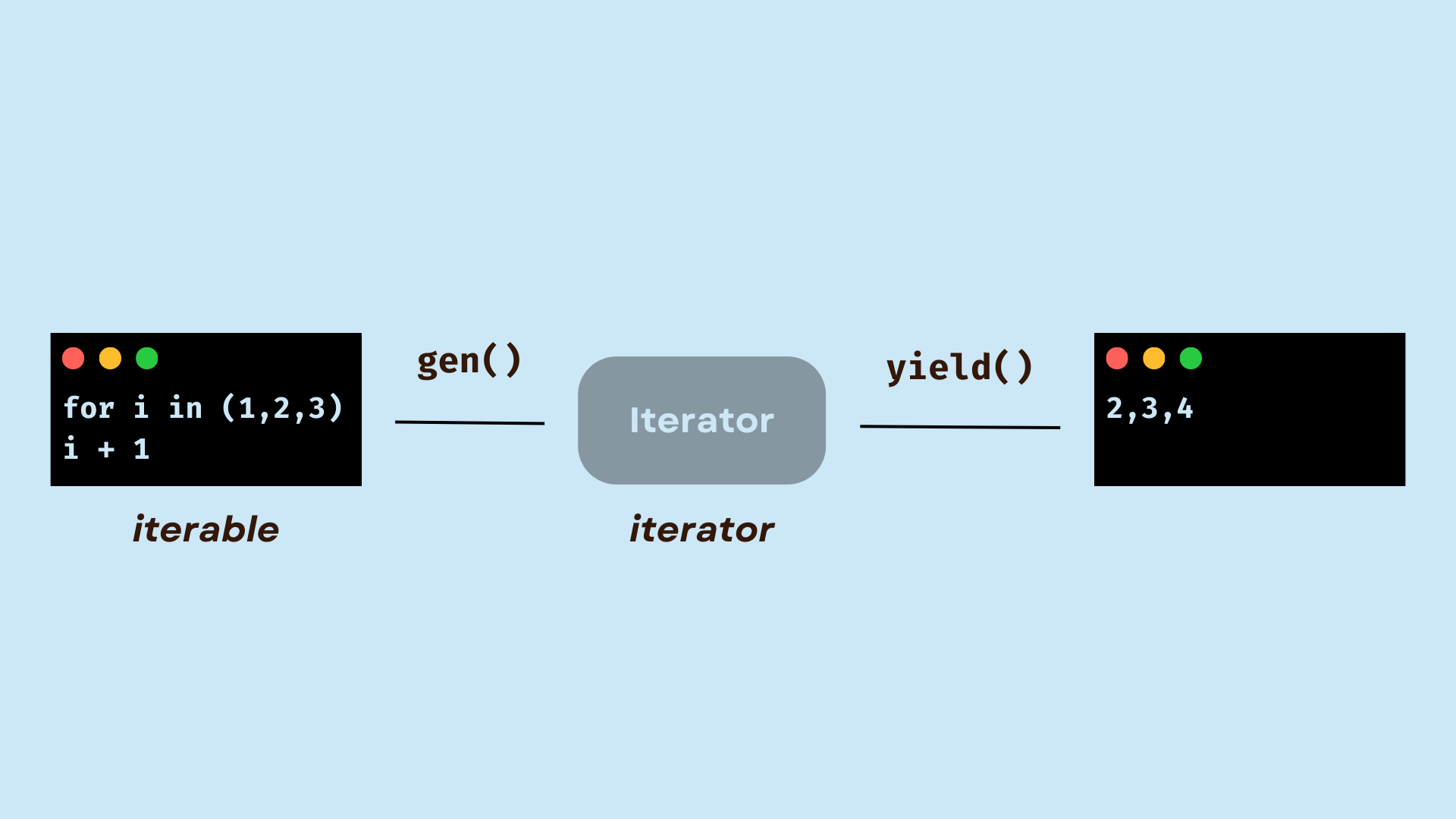
Have you ever felt overwhelmed by handling vast amounts of data? Enter Python’s generators. Instead of consuming memory like a voracious monster, generators allow you to stream data, processing one item at a time.

It’s like watching Netflix without downloading the entire series.

4. Decorators
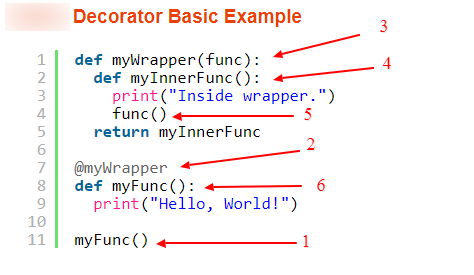
image source

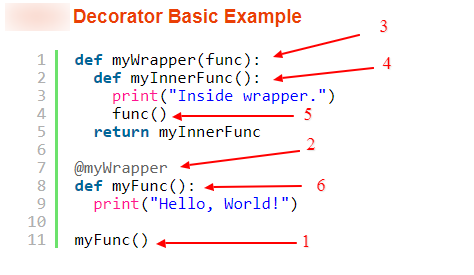
Imagine having a superpower ring. Each time you wear it, you gain a new ability. That’s what decorators do for functions in Python. They augment and modify functions without altering their core.

Have you heard about the Flask web framework? If yes, you’ve seen decorators in action, turning regular functions into web routes. If that isn’t wizardry, I don’t know what is.

In today’s age, data is the new gold. Or perhaps, the new chocolate? Both valuable and delightful.

5. Dynamic Typing
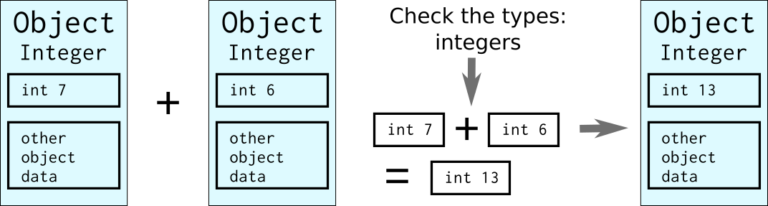
image source

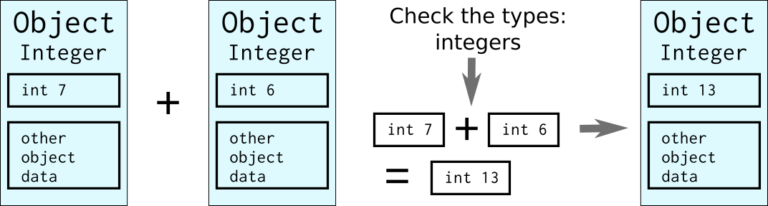
Gone are the days of declaring int a = 10;. In Python, it's just a = 10. Python’s dynamic typing allows it to infer the type, making coding faster and more intuitive. It's like having a personal assistant who understands what you want without you spelling it out.

6. Dictionaries
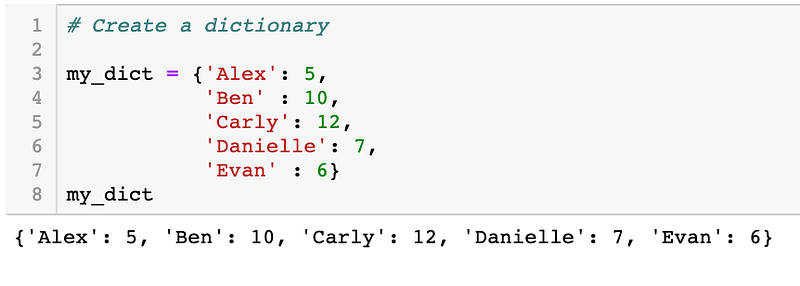
image source

The heart of Python’s data structures. Think of dictionaries as personalized treasure chests where you can store data with custom labels. No more fumbling around with indices; call your data by its name.

7. Multiple Assignment
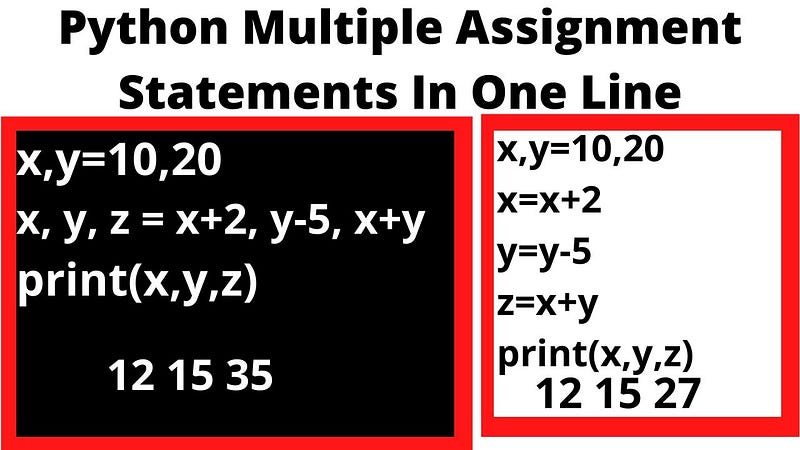
image source

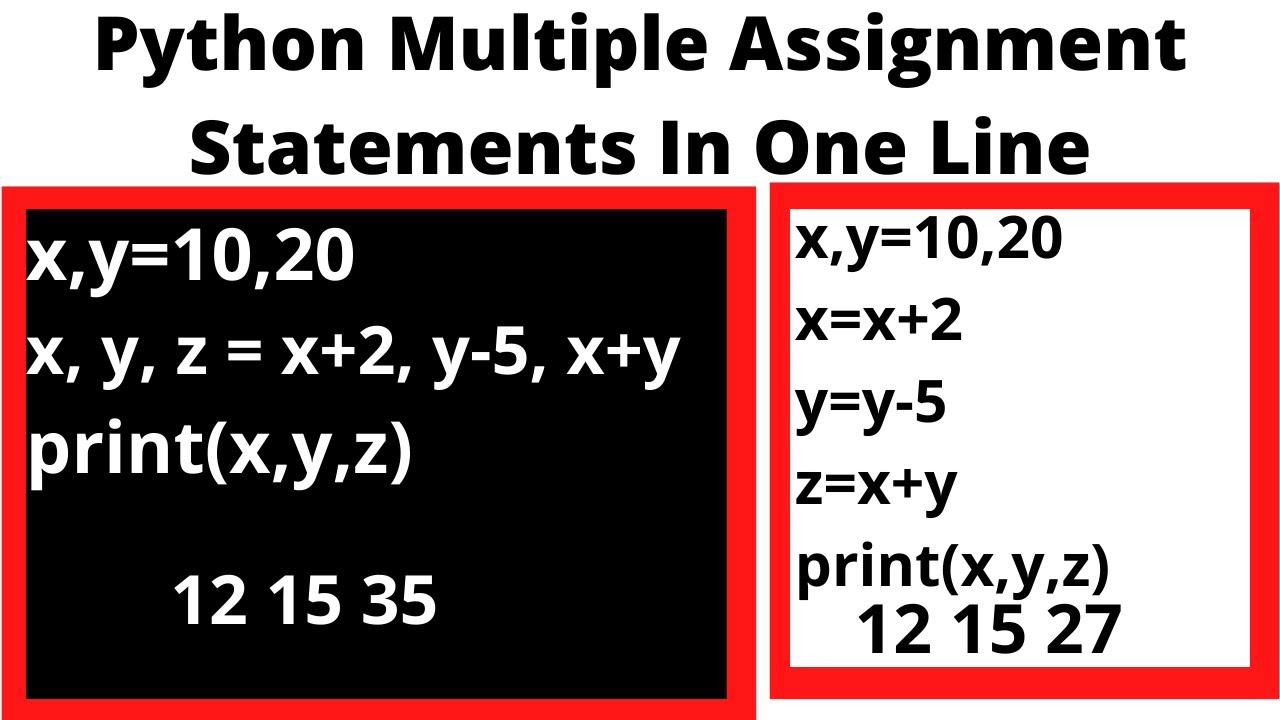
x, y = 1, 2. With this simple technique, Python lets you assign multiple variables at once. It’s the programming equivalent of a magic trick where the magician pulls out multiple rabbits from a hat.

Now we uncover the advanced treasures that have made developers’ lives not just easier, but almost mythical.

8. Lambda, Map, Filter, and Reduce
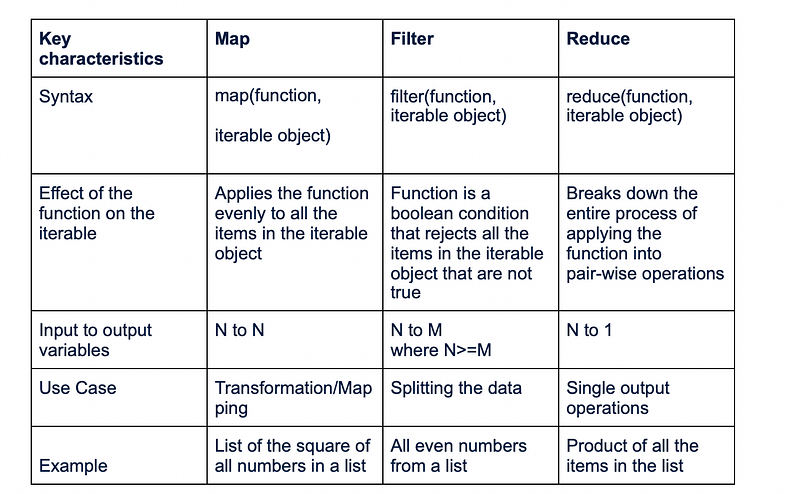
image source

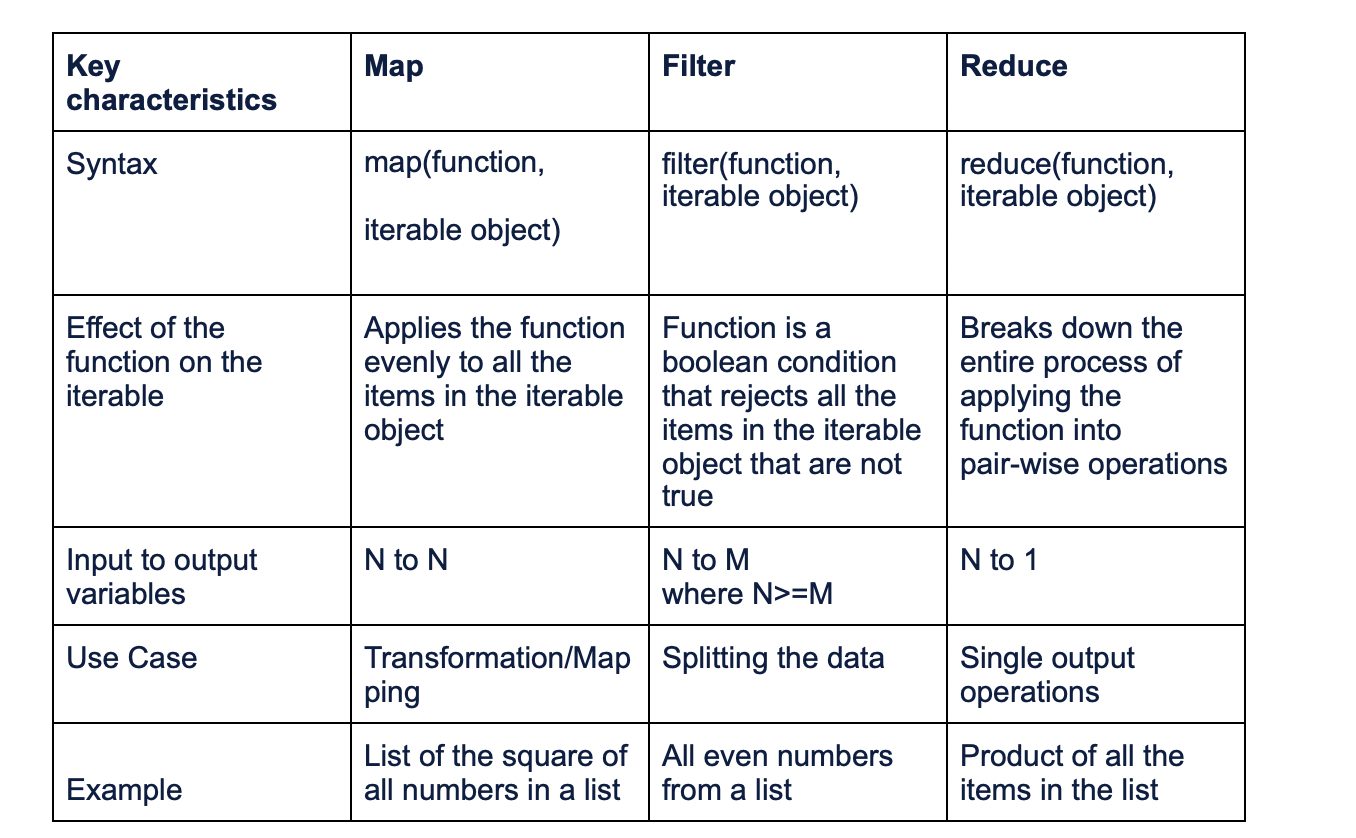
Let’s play a game. What do you think when you hear “lambda”? A Greek letter? A secret society? Well, in Python, lambda is a tool to craft anonymous, throwaway functions on the fly.

Combine this with the magical trio: map, filter, and reduce, and you can transform lists without even breaking a sweat. It’s like conjuring potions with a mere whisper.

9. Context Managers and the with statement
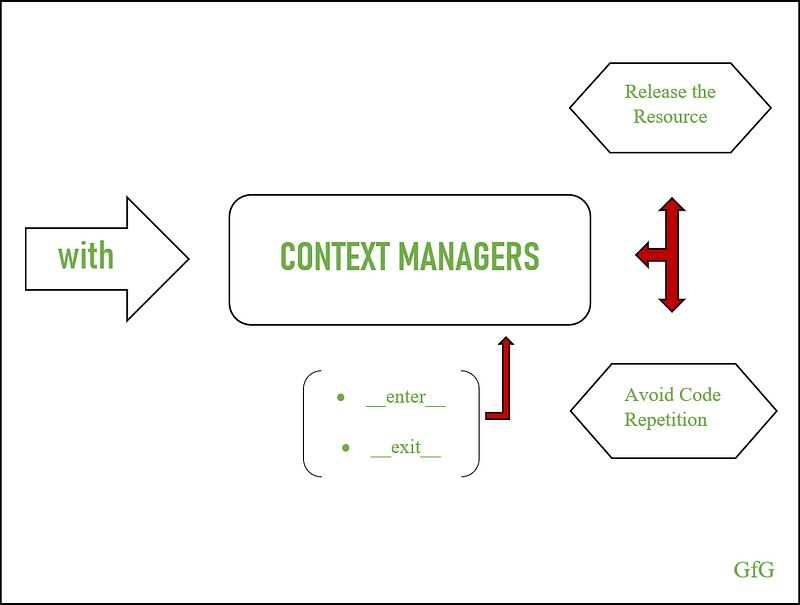
image source

Ever felt the anxiety of leaving a file open or a resource undeleted? Python’s with statement ensures that resources are efficiently managed. Imagine it as an obedient house-elf from the world of Harry Potter, taking care of chores without being explicitly told.

10. Duck Typing
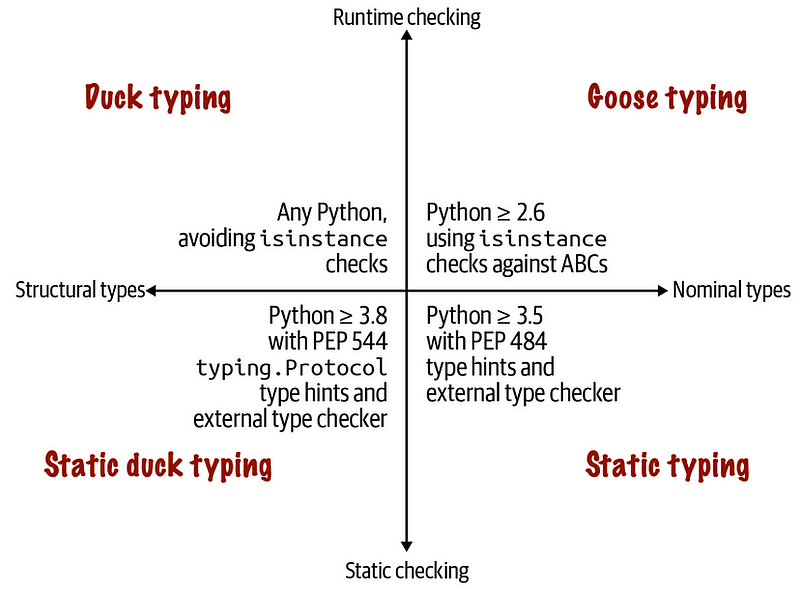
image source

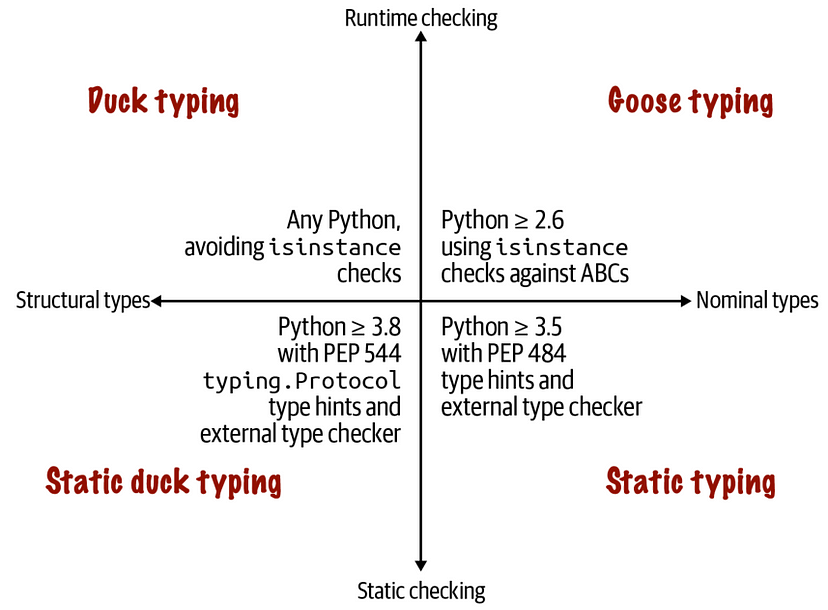
“If it looks like a duck, swims like a duck, and quacks like a duck, then it probably is a duck!” In Python, it’s not about what type the object is, but what it can do. This is a paradigm shift from conventional type systems, allowing for more flexibility. In essence, Python’s approach is: don’t judge a book by its cover but by its content.

The tale of Python isn’t just about the techniques it introduced, but the philosophy it propagated: simplicity over complexity, readability over ambiguity, and above all, community collaboration.

Isn’t it astonishing how Python, with its focus on human-centric design, changed how we approach programming? No longer is coding the domain of the select few who can decipher cryptic commands. Python opened the gates, inviting everyone to the party.

To all the brave souls who’ve journeyed this far: whether you’re a student trying to wrangle that pesky assignment, a researcher harnessing data’s power, a professional pushing industry boundaries, or a self-learner riding the waves of curiosity, remember this: Python isn’t just a tool, it’s a mindset. And in the grand theatre of programming, it has etched its name as a legend.

Did this article spark an interest? Dive deeper, slay your dragons, and may you always find joy in the serpent’s embrace! For further readings and deep dives into Python’s wonderland, check out the official Python documentation, the sacred tome of Pythonistas around the globe.

That’s it…Thanks.

Clap👏

Highlight🖍️

Comment💻

Python
Python Programming
Future Of Work
Programmer
Future Technology
Recommended from ReadMedium