avatarNicole Dake

Free AI web copilot to create summaries, insights and extended knowledge, download it at here

3930

Abstract

‘It’s unfortunate you feel that way.’</i></p><p id="b0dc"><i>I view things differently.’</i></p><p id="3f5d"><i>‘I’ve heard you and I don’t agree.’</i></p><p id="9124">On repeat to ♾️.</p><figure id="dadb"><img src="https://cdn-images-1.readmedium.com/v2/resize:fit:800/1*0UkRtfeQlf_wppZd74yMUQ.png"><figcaption></figcaption></figure><h1 id="0f52">TIP 4 — Set Consequences for Abusive Behaviors.</h1><p id="c766">Never allow a toxic person to walk all over you. You can complain and protest, but so long as you do not impose meaningful consequences, you enable and reinforce toxic people. They become worse.</p><p id="b66c">By standing up for yourself and setting effective boundaries with them, you respect yourself and train toxic people to respect you.</p><p id="6a96">When implementing consequences with a toxic person, there are two actions you can take:</p><ol><li>Reduce or remove something positive.</li><li>Increase or add something negative.</li></ol><p id="0dc9">To learn frameworks for setting effective boundaries with toxic people through consequences (without abusing them reactively), check out <a href="https://ellieanson.gumroad.com/l/yeahboundaries"><b>Yeah Boundaries! The Definitive Guide: How to set Effective Boundaries with Toxic People.</b></a></p><div id="e351" class="link-block"> <a href="https://ellieanson.gumroad.com/l/yeahboundaries"> <div> <div> <h2>Yeah Boundaries! The Definitive Guide: How to Set Effective Boundaries with Toxic People.</h2> <div><h3>No one should be made to feel unsafe or held captive by their relationships.It's challenging for conscientious people…</h3></div> <div><p>ellieanson.gumroad.com</p></div> </div> <div> <div style="background-image: url(https://miro.readmedium.com/v2/resize:fit:320/0*5UeO_5NQ6vlnA9mU)"></div> </div> </div> </a> </div><figure id="2c07"><img src="https://cdn-images-1.readmedium.com/v2/resize:fit:800/1*eR0QVxiSrD66EVl5bCDIJQ.png"><figcaption></figcaption></figure><h1 id="0662">TIP 5 — Silence.</h1><p id="d58e">Yes. Sometimes no response is the best response. You do not have to engage every internet troll or toxic person that insults you. Some people are miserable and want you to be miserable too. Some people purposefully choose to misunderstand you or your intentions.</p><p id="2b10">Oh well. You know yourself.</p><p id="d75e">Starve that toxic person of your attention and emotional reactions, which is a form of fuel or supply for them. Pick your battles, understanding that your time and attention are valuable and toxic people are a distraction to your goals and purpose.</p><h1 id="b935">BONUS — List of Manipulative Tactics</h1><figure id="9025"><img src="https://cdn-images-1.readmedium.com/v2/resize:fit:800/1*aI5IR58oRZJXFJzoxvwwOw.png"><figcaption></figcaption></figure><p id="3716">Here is a comprehensive list of tactics, which manipulators use to selfishly control their victims.</p><h2 id="32ef">Emotional Blackmail (Eliciting Feelings of Fear, Obligation and Guilt)</h2><ul><li>Violence and Physical Intimidation.</li><li>Bullying. <i>(Using fear as a weapon to terrorize others to get what they want; brandishing intense anger or rage; putdowns or devaluation).</i></li><li>Covert Intimidation. <i>(Implied or veiled threats).</i></li><li>Triangulation. <i>(Divide and Conquer).</i></li><li>Guilt trips or Playing the Victim.</li><li>Shaming.</li><li>Silent Treatment or Stonewalling.</li><li>Manipulative Obligation or Indebtedness. <i>(I did X for you. Now you have to do Y for me. Without prior agreement of a transaction. OR I did X for you. You owe me for the rest of your life.)</i></li></ul><h2 id="366d">Gaslighting (Distorting or Denying Reality and Truth)</h2><ul><li>Denial. <i>(Unwillingness to admit they’ve done anything wrong).</i><

Options

/li><li>Rationalizing. <i>(Justifying a wrong behavior or making excuses for something they know is regarded as wrong).</i></li><li>Minimizing.</li><li>Lying and Smear Campaigns.</li><li>Scapegoating. <i>(Externalizing the blame).</i></li><li>Projecting. <i>(Vilifying the victim).</i></li><li>Deliberate Exaggeration or Over generalization.</li><li>Evasion. <i>(Avoiding the subject).</i></li><li>Diversion. <i>(Deflecting or shifting focus; word salads or circular arguments).</i></li><li>Feigning Ignorance or Confusion. <i>(aka playing dumb).</i></li><li>Feigning Innocence. <i>(Claiming they had no malicious intent or the abuse was unintended).</i></li></ul><h2 id="b79d">Love Bombing (False Demonstrations of Attention and Affection)</h2><ul><li>Giving Assent. <i>(Pretending to agree or concede on a point to get the person confronting them off their back).</i></li><li>Playing the Servant. <i>(Pretending they’re only trying to help or care for you when they really want to take advantage of you).</i></li><li>Seduction and Flattery. <i>(Using flattery or sweet talk or saying whatever it is they think you want to hear, so that they can win you over — or get you to do what they want — without really earning your trust. Excessive calls, texts and attention).</i></li><li>False Concessions. <i>(Falsely appearing contrite or honest by making small admissions. Apologizing without sustained changed behavior.)</i></li><li>Future Faking. <i>(Moving the goal post. Falsely promising to fulfill your desires in the future to get something they want in the present).</i></li><li>Manipulative Kindness or Generosity. <i>(Buying gifts or doing favors in place of taking responsibility for their wrongful actions).</i></li></ul><figure id="2e91"><img src="https://cdn-images-1.readmedium.com/v2/resize:fit:800/1*EK6U3VLw4LL-LYuyX23C6w.png"><figcaption></figcaption></figure><h2 id="9d42">Leveraging Flying Monkeys (Manipulation by Proxy)</h2><p id="8d21">When a toxic person cannot get to their victim directly, they will try to abuse the victim by proxy through mutual connections.</p><p id="6169">The toxic person launches a smear campaign against the victim to their mutual connections (family members, relatives, friends, colleagues, etc.). The toxic person recruits these people into manipulating the victim to regain their control.</p><p id="8fb7">These mutual connections, dubbed flying monkeys, can be naive or aware that they are participating in abuse by proxy. With this manipulative tactic, the emotional blackmail, gaslighting and love bombing are carried out by the flying monkeys.</p><p id="5c5d">P. S. What did you think? Let me know your thoughts in the comments.</p><p id="7599">If you enjoyed this story, you can show support by clapping, so others can find it. You can also show appreciation by <a href="https://buy.stripe.com/8wM4jI4o68nogRG145"><b>buying a coffee</b></a><b> 💕💛.</b></p><p id="0742">Follow me for strategies, tips and frameworks for dealing with difficult people and navigating challenging relationships. Let’s build the best relationship with ourselves and with others.</p><p id="8866">Lastly, you can <a href="https://medium.com/@ellieanson/subscribe"><b>subscribe</b></a><b> </b>to receive a notification anytime I publish.</p><div id="dbf5" class="link-block"> <a href="https://medium.com/@ellieanson/subscribe"> <div> <div> <h2>Get an email whenever Ellie C. Anson publishes.</h2> <div><h3>Get an email whenever Ellie C. Anson publishes. By signing up, you will create a Medium account if you don’t already…</h3></div> <div><p>medium.com</p></div> </div> <div> <div style="background-image: url(https://miro.readmedium.com/v2/resize:fit:320/0*brXkZY0ES3UWejZh)"></div> </div> </div> </a> </div></article></body>

10% of the World’s Population Lives on Less than $1.90 Per Day

This is what the United Nations considers living in ‘extreme poverty’
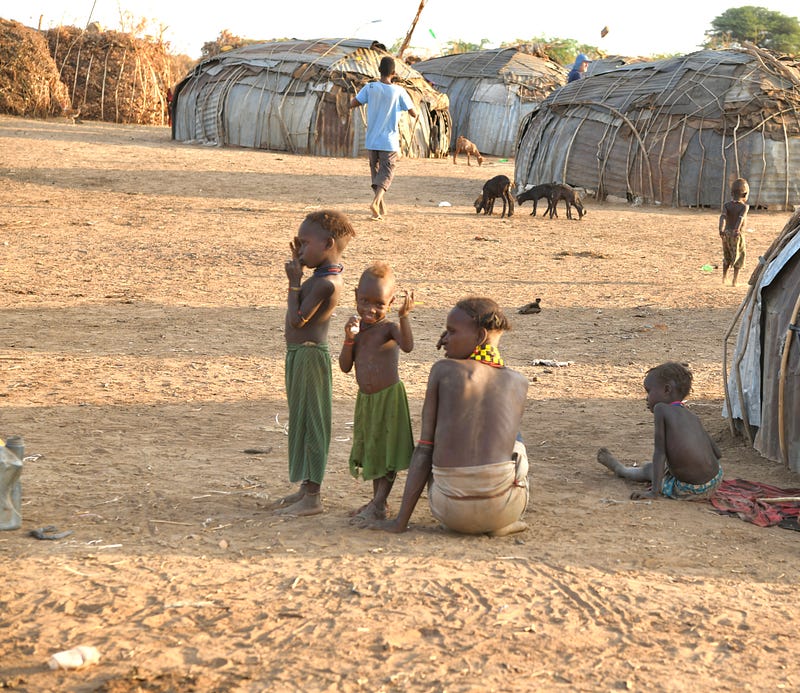
Francesca Calisti, CC BY-SA 4.0 <https://creativecommons.org/licenses/by-sa/4.0>, via Wikimedia Commons

Around the world, and even here in our own back yard in the United States, people are starving to death every day.

According to the United Nations,

Hunger and under-nutrition are the greatest threats to public health, killing more people than HIV/AIDS, malaria and tuberculosis combined. Each day, 25,000 people, including more than 10,000 children, die from hunger and related causes. Some 854 million people worldwide are estimated to be undernourished, and high food prices may drive another 100 million into poverty and hunger. The risks are particularly acute among those who must spend at least 60 per cent of their income on food: the urban poor and displaced populations, the rural landless, pastoralists and the majority of smallholder farmers.

Many of the people who are starving live on the African continent, where the population is less industrialized than in the West. There are threats that come in the form of extreme poverty, lack of access to food and clean water, lack of healthcare, lack of education, and many other issues that are associated with extreme poverty.

According to US News and World Report, in California:

Deaths attributed to malnutrition more than doubled, from about 650 in 2018 to roughly 1,400 in 2022, according to preliminary death certificate data from the California Department of Public Health. The same trend occurred nationwide, with malnutrition deaths more than doubling, from about 9,300 deaths in 2018 to roughly 20,500 in 2022, according to the U.S. Centers for Disease Control and Prevention.

In the United States, many of the deaths from malnutrition occur among the elderly, who lack access to food in large part due to transportation barriers. This has only been made worse by the pandemic, when people were forced to quarantine for long amounts of time.

Global Poverty

Recently, I wrote about poverty wages in the United States, and how some poor families have to work 3 full-time jobs just to be able to afford rent.

Someone replied to me and said,

You Americans have a funny way of looking at poverty.

That commenter was right. There are people in other parts of the world living not just in poverty, but in what the United Nations refers to as extreme poverty.

Living in extreme poverty means living off of less than $1.90 per day.

That seems unfathomable to many of us. How would you be able to afford any of the basic necessities of life on less than that? Partly, it has to do with different costs of living in different parts of the world, and what we consider necessities.

Consider the following poverty facts and figures from the United Nations:

  • According to the most recent estimates, in 2015, 10 percent of the world’s population or 734 million people lived on less than $1.90 a day.
  • Southern Asia and sub-Saharan Africa are expected to see the largest increases in extreme poverty, with an additional 32 million and 26 million people, respectively, living below the international poverty line as a result of the pandemic.
  • The share of the world’s workers living in extreme poverty fell by half over the last decade: from 14.3 per cent in 2010 to 7.1 per cent in 2019.
  • Even before COVID-19, baseline projections suggested that 6 per cent of the global population would still be living in extreme poverty in 2030, missing the target of ending poverty. The fallout from the pandemic threatens to push over 70 million people into extreme poverty.
  • One out of five children live in extreme poverty, and the negative effects of poverty and deprivation in the early years have ramifications that can last a lifetime.
  • In 2016, 55 per cent of the world’s population — about 4 billion people — did not benefit from any form of social protection.

There are millions of people living in poverty all over the world, in conditions that many of us can barely even imagine existing in a modern world.
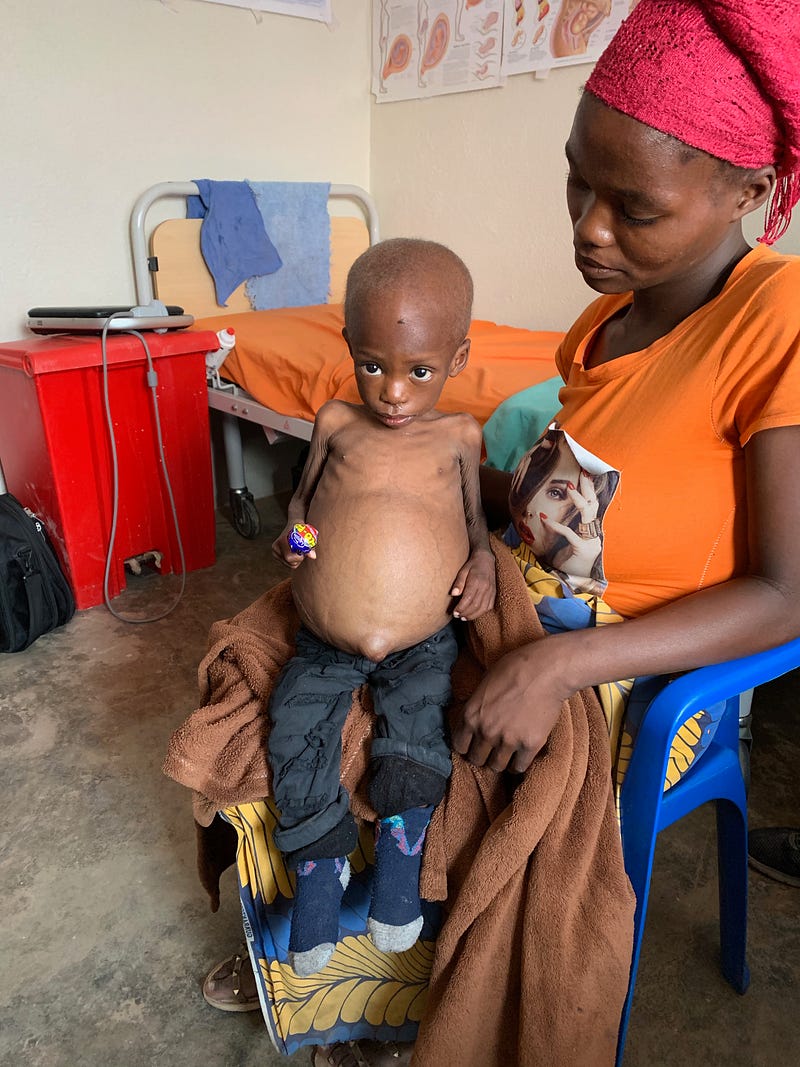
tim kubacki, CC BY 2.0 <https://creativecommons.org/licenses/by/2.0>, via Wikimedia Commons

Extreme poverty[a] is the most severe type of poverty, defined by the United Nations (UN) as “a condition characterized by severe deprivation of basic human needs, including food, safe drinking water, sanitation facilities, health, shelter, education and information. It depends not only on income but also on access to services”

People live in villages without any access to the types of modern resources that many of us think are the necessities of life. Never mind not having fast wifi, they probably don’t have access to the internet or a telephone. They don’t have cars.

They don’t have indoor plumbing. Many only have access to water at a well in the village, not in their homes. They cook over an open fire, and an estimated 20,000 people die each year in Kenya from cooking accidents.

According to the United Nations,

In Sub-Saharan Africa alone, more than 950 million people rely on wood and charcoal for cooking, a number estimated to grow to 1.67 billion by 2050.

There are many risks in addition to starvation that come from living in poverty. Lack of safe, livable conditions is one of them. Exposure to disease is another, which can be contributed to a lack of sanitation combined with a lack of knowledge about how disease spreads.

People live their entire lives in these impoverished conditions, before dying at younger ages than in industrialized countries of preventable causes.

It is heartbreaking to think of people dying in these horrible conditions on a daily basis, some of them children. People deserve to live better lives than constant suffering and poverty.

What can we do to reduce global poverty?

Work is already being done around the globe to reduce extreme poverty, with the help of the United Nations and other partners.

Some of the steps that can be taken to wipe out global poverty, according to The Borgen Project, include:

  1. Develop and implement rapid and sustained economic growth policies and programs, in areas such as health, education, nutrition and sanitation, allowing the poor to participate and contribute to the growth.
  2. Improve management of water and other natural resources. Most of the rural poor depend on agriculture or other natural resources for their livelihood.
  3. Invest in and implement agricultural programs.
  4. Encourage countries to engage in trade as a path out of poverty.
  5. Create and improve access to jobs and income and develop entrepreneurial talent.
  6. Providing all people with access to basic social services including education, health care, adequate food, sanitation, shelter and clean water.
  7. Progressively developing social protection systems to support those who cannot support themselves.
  8. Empower people living in poverty by involving them in the development and implementation of plans and programs to reduce and eradicate poverty.
  9. Remove barriers to equal access to resources and services.
  10. Provide access to technology and innovation including internet access and affordable energy.

On a world level, this important work is already being undertaken by many people working together. However, the more we can raise awareness about the issues of global poverty, the more we can step forward towards eradicating poverty altogether.

To get involved and help with the cause of world hunger and global poverty, you can donated to the United Nations directly:

https://www.un.org/en/about-us/how-to-donate-to-the-un-system

You can also work with programs like Heifer International, which provides animals, tools and training to people who are struggling with poverty and hunger.

Poverty
Equality
Starvation
Social Justice
Social Change
Recommended from ReadMedium