“10-Minute Lifesavers Essential Skills That Could Save Your Life.
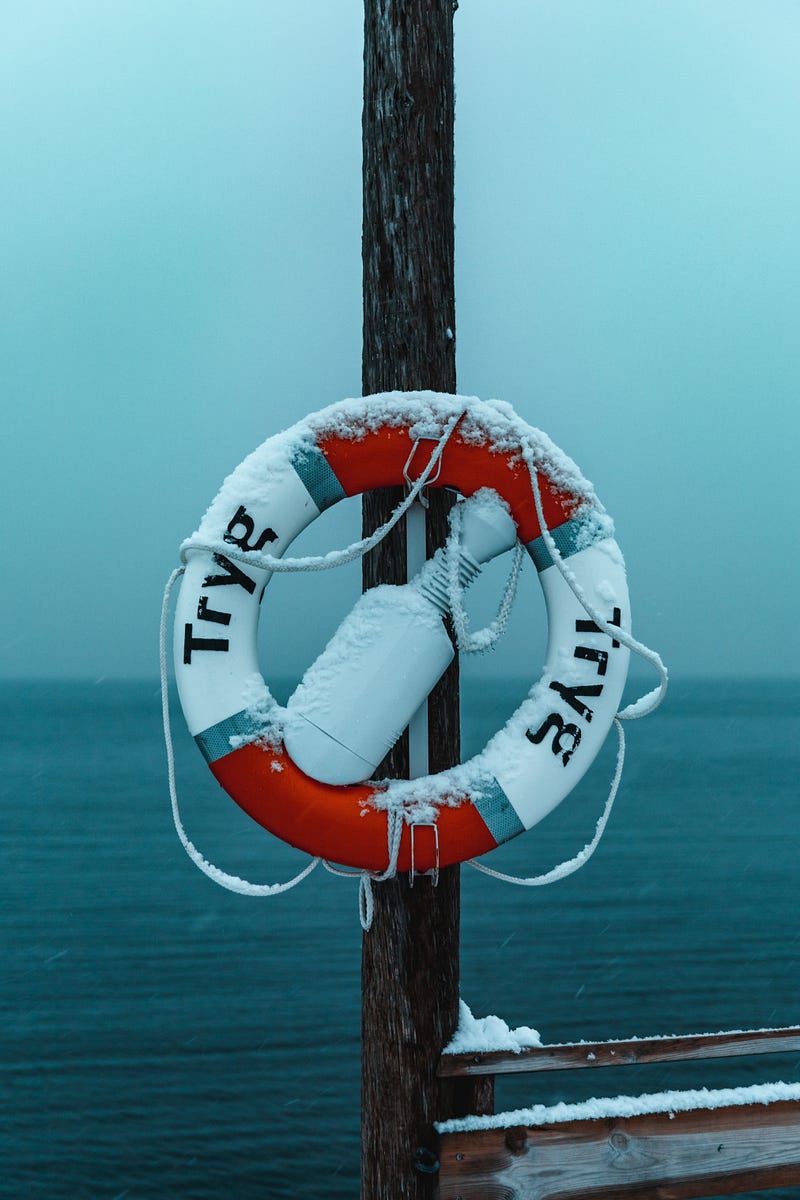
Emergencies can happen when you least expect them, and having the right skills at your disposal can be the difference between life and death. In this article, we’ll explore a range of essential skills that you can learn in just 10 minutes. These simple techniques can make a significant impact during critical situations, whether it’s a medical emergency, a natural disaster, or an accident.
1. CPR (Cardiopulmonary Resuscitation)
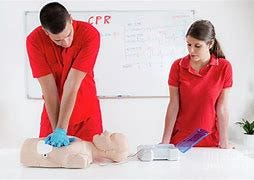
Cardiopulmonary Resuscitation, or CPR, is a fundamental skill that can save someone’s life during a cardiac arrest. Learning basic CPR techniques, such as chest compressions and rescue breaths, takes just a few minutes. Many organizations and websites offer free online courses and tutorials to guide you through the process.
2. Heimlich Maneuver
The Heimlich maneuver is a lifesaving technique used to help a choking victim. It’s a simple, quick procedure that involves abdominal thrusts to dislodge an object blocking the airway. Knowing how to perform the Heimlich maneuver can be invaluable in a choking emergency.
3. Stop the Bleeding
In cases of severe bleeding, knowing how to control it can be crucial. Learning how to apply direct pressure and use a tourniquet correctly can help prevent excessive blood loss until professional help arrives. You can find online resources and videos to guide you through these techniques.
4. Fire Safety and Extinguisher Use
A small fire can quickly become a life-threatening situation. Understanding how to operate a fire extinguisher can help you contain a fire before it spreads. It’s essential to read the instructions and be familiar with the PASS (Pull, Aim, Squeeze, Sweep) technique.
5. Basic First Aid Skills
Basic first aid skills can be applied to a wide range of situations, from minor injuries to more severe emergencies. Learning how to clean and dress wounds, create a splint for a broken bone, or assess someone’s condition are essential skills that can be acquired in just a few minutes.
6. Emergency Communication
Knowing how to call for help or send distress signals in various situations can be critical. Whether you’re lost in the wilderness or facing a disaster, having the knowledge to signal for assistance can be a lifesaver. Learn the basics of emergency communication and signaling techniques.
7. Shelter Building
If you find yourself stranded in a wilderness survival situation, knowing how to build a basic shelter can protect you from the elements and keep you safe. A simple lean-to or debris hut can be constructed in a matter of minutes with the right knowledge.
8. Recognizing and Responding to a Heart Attack or Stroke
Being able to identify the signs of a heart attack or stroke and responding promptly can save lives. Remembering acronyms like FAST (Face, Arms, Speech, Time) for strokes and recognizing the symptoms of a heart attack, such as chest pain and shortness of breath, is crucial.
9. Disaster Preparedness
Understanding the basics of disaster preparedness, such as creating an emergency kit and having a family emergency plan, is vital for staying safe during natural disasters like hurricanes, earthquakes, or floods.
10. Self-Defense Techniques
Learning a few self-defense techniques, such as how to break free from a wrist grab or defend against an assailant, can be empowering and lifesaving in dangerous situations.
In conclusion, taking a few minutes to learn these essential skills can make a significant difference in your ability to respond effectively during an emergency. It’s crucial to stay informed, practice these skills regularly, and share this knowledge with your family and friends. Being prepared and knowing how to act swiftly in critical situations can be the ultimate lifesaver.


