
10 Healthy Weight Loss Practices We Rarely Talk About
Discover how to fuel your body to maximize your fitness goals.
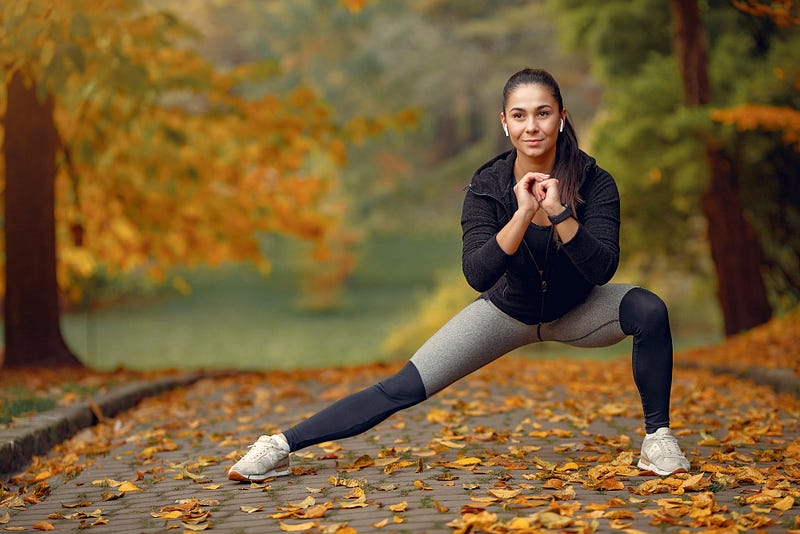
If I want to lose weight, two questions immediately come to my mind: what should I eat and what should my workouts look like?
For those their “diet starts on Monday”, it may seem like a good start to sort out the fitness portion of the weight loss goal.
Choosing the best attack plan is easier said than done, however, as even fitness experts disagree on how to organize the perfect week of training.
But there are general guidelines that can help if you’re trying to create your workout routine for weight loss.
First and foremost, even if you’re training to lose weight, you’ll still want to include a little strength training instead of going overboard with cardio.
When you’re done weight training, your metabolism is good for up to 24 hours after that, which is great for weight loss
But if you’re doing cardio, it won’t take that long.
One of the best aspects of your daily workout routine is your personal fitness goals.
By carefully selecting the time of your workout, the combination of techniques, and the right post-workout snacks, you can maximize your workout to build muscle.
Here are the 10 essential tips you should know when trying to lose weight and build muscle.
1. Set a duration of your workout
The Muscle Hack team states that timing is essential when planning your workout. “You shouldn’t train for more than an hour at a time,” they say. At the end of the day, if you’re not ready to spend an hour in the gym, you don’t have the right mindset to be successful.
2. Join an online group
One of the best motivators is to point out successes and failures to a group of people. A research study found that after 24 weeks, the evening training group experienced nearly 50% more muscle growth than the morning group.
Check out a few groups online, introduce yourself, see which one you like. Once you’re established (after a few days), see if you can post your results every day — you won’t go wrong once you start doing it.
3. Eat more calories
Foods that contain carbohydrates can help provide this energy. If you want to add protein to your diet without consuming too many calories, eat foods like tilapia, cottage cheese, lean poultry, and scallops, which are very lean sources of protein. But also contain a generous amount of carbohydrates that are converted to energy.
Save energy and provide your body with enough fuel to build muscle by eating small meals every three hours. Make sure you eat a lot of protein, ideally the amount of protein in grams of your current body weight in pounds. For example, a 150-pound man would aim for 150 g of protein per day.
4. Eat a snack right after your workout
While you may think that carbohydrates slow down weight loss, the opposite may be true. High-protein snacks should be consumed within 15 minutes of completing your exercise program. It could optimize healing for minor muscle injuries that [normally] occur during exercise. Plus, protein is filling… and that means you won’t be tempted by junk food later on.
5. Do weight training before cardio
According to the brains behind Dumb Little Man, “Trainers, serious athletes and bodybuilders do weights first: this way, your heart rate goes up and when you lift, your body is more in fat-burning mode. Doing the opposite means that your muscles are already fatigued by the time you start exercising with weights.
6. Stay hydrated
Water is best to keep you hydrated. Take a glass of water an hour or two before training. Only use a sports drink during your workout (and after) if you plan on going for an hour or more.
If you plan on doing a tough workout, stay hydrated all day long. Go ahead and do it whether you exercise or not.
The last thing you need to complicate your workout is cramps or fatigue, so drink water before, during and after your workout for best results.
7. Always do a warm-up first
When you exercise, don’t do it with cold muscles. Stretching prevents muscle fatigue, makes your blood flow faster, and can help lower cholesterol when performed as part of a yoga or Pilates routine.
“If stretching does cut your odds of one of these types of injuries, it’s by only a very small amount.”
Muscles also need to realign themselves after a tough workout, which a few minutes of stretching can help achieve. Keep your heart and blood circulating gradually. You are less likely to be injured and your training will be more enjoyable.
8. Combine compound and isolation movements
While it is important to isolate certain muscles, you should also alternate compound movements, that target multiple muscle groups at once. Compound workouts are good for beginners and for strengthening certain areas of the body.
With compound movements you are only as strong as your weakest link. Take the lateral pull as an example: the weaker biceps and forearms tire more quickly than the stronger lats, which means you were not fully stimulating the body part you wanted when you selected this exercise.
9. Increase your weight gradually
Increase the weight you lift with each exercise by 5% per week. For example, if you pushed out 100 pounds this week, you should try to gain 105 pounds next week. This gradual increase gives the best results for muscle building without putting too much strain on your body.
10. Reward yourself
Self-explanatory, but the rewards are better if they occur frequently at first. Be indulgent! Even sweets are a good reward — remember, get into the habit of exercising and you may be worried about losing weight later.
Accept a 30 day challenge. Take the challenge and see if you can take the challenge. Do it with a group or with your other half.
Tell everyone you’re in a challenge. Motivating yourself is key to weight loss success.


