avatarAlex Rotar

Free AI web copilot to create summaries, insights and extended knowledge, download it at here

4344

Abstract

kills</i></b>: It’s a remarkable swimmer, with webbed feet aiding in navigating aquatic environments, a rare adaptation among primates.</li><li><b><i>Conservation Status</i></b>: Its distinctiveness and specialized habitat make it vulnerable to environmental changes, emphasizing the importance of conservation efforts.</li></ul><figure id="03a5"><img src="https://cdn-images-1.readmedium.com/v2/resize:fit:800/1*32cbtY_f7kr3457l4aT8mQ.jpeg"><figcaption>Photo by <a href="https://www.pexels.com/photo/proboscis-monkey-sitting-in-jungle-17867889/">Tim Morgan</a></figcaption></figure><h2 id="dd1d">Elephant Shrew</h2><p id="330e">The charming Elephant Shrew, with its long snout resembling an elephant’s trunk, is a small mammal predominantly found in Africa. The name ‘Elephant Shrew’ combines this creature’s distinctive snout and its shrew-like appearance, creating a unique juxtaposition of features.</p><ul><li><b><i>High Speed</i></b>: Despite its small size, it can run at speeds up to 28.8 km/h, showcasing remarkable agility.</li><li><b><i>Diverse Diet</i></b>: It has a varied diet, consuming insects, fruits, and seeds, reflecting adaptability in feeding habits.</li></ul><figure id="55f0"><img src="https://cdn-images-1.readmedium.com/v2/resize:fit:800/1*K-K5oreqpzzsWD285n4tdQ.jpeg"><figcaption>Image by <a href="https://pixabay.com/users/kapa65-61253/?utm_source=link-attribution&amp;utm_medium=referral&amp;utm_campaign=image&amp;utm_content=784371">Karsten Paulick</a></figcaption></figure><h2 id="4bd9">Thorny Devil</h2><p id="e254">The rugged Thorny Devil, adorned with conical spines, is a lizard native to Australia. Its name vividly describes its appearance, resembling a miniature dragon or ‘devil,’ covered in ‘thorns’ or spiky scales.</p><ul><li><b><i>Camouflage Expert</i></b>: Its coloration allows it to blend with its desert environment, aiding in avoiding predators.</li><li><b><i>Water Collection</i></b>: It has the ability to collect and channel water directly to its mouth through grooves in its skin, a remarkable adaptation to its arid habitat.</li></ul><figure id="4f85"><img src="https://cdn-images-1.readmedium.com/v2/resize:fit:800/1*fseiFOsiTYUrb1zWXFtqtg.jpeg"><figcaption>Image by <a href="https://pixabay.com/users/publicdomainimages-327722/?utm_source=link-attribution&amp;utm_medium=referral&amp;utm_campaign=image&amp;utm_content=387217">Pixabay</a></figcaption></figure><h2 id="f428">Chicken Turtle</h2><p id="4344">The unique Chicken Turtle is a freshwater turtle mainly found in the southeastern United States. It is so named because its meat reportedly tastes like chicken, a naming origin reflecting human culinary preferences.</p><ul><li><b><i>Long Neck</i></b>: It possesses a disproportionately long neck, used for striking at prey with surprising reach.</li><li><b><i>Delayed Reproduction</i></b>: It has a unique reproductive strategy, with females capable of delaying egg development until environmental conditions are favorable.</li></ul><figure id="3ba4"><img src="https://cdn-images-1.readmedium.com/v2/resize:fit:800/1*An7CuzVjvNf2s72OWcPczA.jpeg"><figcaption>Image by <a href="https://pixabay.com/users/almi-205352/?utm_source=link-attribution&amp;utm_medium=referral&amp;utm_campaign=image&amp;utm_content=1317064">Andreas Almstedt</a></figcaption></figure><h2 id="c3eb">Strawberry Poison-dart Frog</h2><p id="b80c">The vibrant Strawberry Poison-dart Frog, native to Central America, is named for its bright red coloration resembling a ripe strawberry and its use by indigenous people to poison the tips of blowdarts.</p><ul><li><b><i>Advanced Parental Care</i></b>: It exhibits advanced parental care, with mothers laying unfertilized eggs to feed their tadpoles.</li><li><b><i>Toxic Defense</i></b>: It produces potent toxins as a defense mechanism, deterring would-be predators.</li></ul><figure id="5f31"><img src="https://cdn-images-1.readmedium.com/v2/resize:fit:800/1*qu4JLWYxWUM_lUrACm8pSA.jpeg"><figcaption>Image by <a href="https://pixabay.com/users/dmz-254927/?utm_source=link-attribution&amp;utm_medium=referral&amp;utm_campaign=image&amp;utm_content=2293173">D Mz</a></figcaption></figure><h2 id="396c">Hummingbird Hawk Moth</h2><p id="0489">The elegant Hummingbird Hawk Moth, named for its resemblance to hummingbirds, is found in warmer climates of Europe, Asia, and

Options

Africa. Its name reflects its unique behavior and appearance, hovering and sipping nectar from flowers, much like the birds it resembles.</p><ul><li><b><i>Daytime Activity</i></b>: Unlike most moths, it is diurnal, showcasing a unique adaptation to daytime activity.</li><li><b><i>Long Proboscis</i></b>: It has a long, coiled proboscis for feeding on nectar, demonstrating specialized feeding adaptations.</li></ul><figure id="35ff"><img src="https://cdn-images-1.readmedium.com/v2/resize:fit:800/1*bUNVrUeT9bYHkS4R6muucA.jpeg"><figcaption>Photo by <a href="https://www.pexels.com/photo/flower-insect-butterfly-bloom-45841/">Pixabay</a></figcaption></figure><h2 id="690f">Kiwi</h2><p id="208a">The endearing Kiwi, possibly named from the Maori language, is a unique, flightless bird native exclusively to New Zealand. The name ‘Kiwi’ is more than just a designation; it is intertwined with New Zealand’s cultural identity and heritage, symbolizing the rich biodiversity of the islands.</p><ul><li><b><i>Flightless</i></b>: Its small wings and inability to fly make it an intriguing anomaly in the avian world, showcasing nature’s diverse evolutionary paths.</li><li><b><i>Large Eggs</i></b>: The Kiwi lays eggs that are exceptionally large in relation to its body size, a reproductive peculiarity that sparks curiosity about its evolutionary adaptations and survival strategies.</li></ul><figure id="1a8e"><img src="https://cdn-images-1.readmedium.com/v2/resize:fit:800/1*jWcC9Dx0lsThS_g-HKVSgA.jpeg"><figcaption>Photo by <a href="https://www.pexels.com/photo/green-kiwi-fruit-51312/">Pixabay</a></figcaption></figure><h2 id="2573">Conclusion: A Journey of Discovery and Reflection!</h2><p id="dc77">Embarking on this enlightening exploration through the diverse and extraordinary realms of the animal kingdom has been a journey filled with wonder and revelation. It’s prompted a myriad of reflections and inquiries about the unique creatures we share our world with. How does the Kiwi, with its diminutive wings, navigate life on the ground, and what evolutionary tales are woven into its flightless existence? The Tasseled Wobbegong’s camouflage mastery makes one ponder the secrets hidden within the vibrant, mysterious underwater realms. And the tales of the Dik-dik provoke curiosity about the bonds and communication strategies they employ in the vast, untamed savannahs of Africa.</p><p id="9be6">After this fascinating stroll through the kingdom of such unique animals and their equally special names, the journey of discovery doesn’t end — it becomes yours to continue. Which of these extraordinary creatures has captured your imagination the most? Which stories are you eager to explore further? And have I perhaps overlooked a remarkable specimen that you believe deserves a spotlight? I’m excited to hear your thoughts, your favorites, and your discoveries, so please share them in the comments!</p><p id="a613">Thank you for accompanying me on this journey through the wonders of the natural world. Let’s keep our eyes open and our curiosity piqued for the abundant marvels nature has to offer to those who seek them. Here’s to many more discoveries and insights as we continue to explore and marvel at the wonders of the world around us!</p><p id="640b"><i>Your support has been instrumental in my journey, and I’m truly grateful for it.</i></p><ul><li><i>Stay connected and receive updates directly in your inbox, by <a href="https://medium.com/@alexrotar97/subscribe">subscribing to my email list</a></i></li><li><i>How I express myself musically?</i><i> Give it a listen:</i></li></ul> <figure id="7fe8"> <div> <div> <img class="ratio" src="http://placehold.it/16x9"> <iframe class="" src="https://cdn.embedly.com/widgets/media.html?src=https%3A%2F%2Fopen.spotify.com%2Fembed%2Ftrack%2F1xpryrArVRB5tarTrfbkpF%3Futm_source%3Doembed&amp;display_name=Spotify&amp;url=https%3A%2F%2Fopen.spotify.com%2Ftrack%2F1xpryrArVRB5tarTrfbkpF&amp;image=https%3A%2F%2Fi.scdn.co%2Fimage%2Fab67616d00001e02ccc5cfde8b1278773dae6e6e&amp;key=a19fcc184b9711e1b4764040d3dc5c07&amp;type=text%2Fhtml&amp;schema=spotify" allowfullscreen="" frameborder="0" height="152" width="456"> </div> </div> </figure></iframe></div></div></figure></article></body>

10 Fascinating Animals You Really Should Know About

The Stories and Secrets Behind These Enchanting Creatures
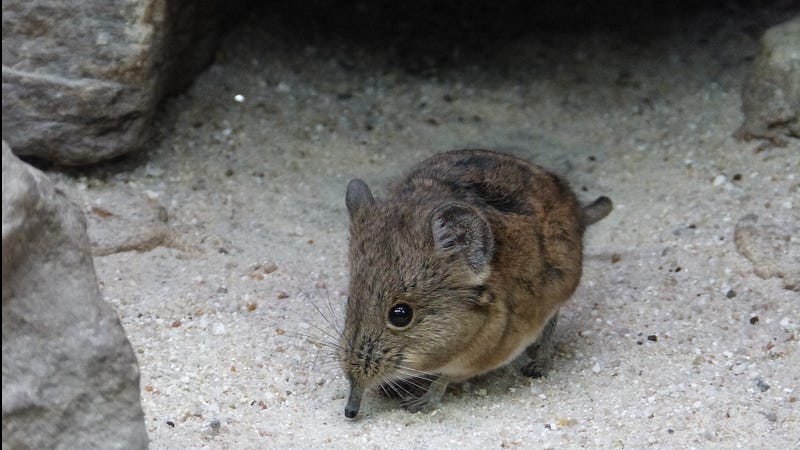
Image by 7854

It’s that time again! I’ve got a head full of ideas but not enough hours in the day. So, I’m handing it over to you to choose which animal you want to know more about. Come along with me on a journey through the animal kingdom and let me know in the comments which animal you find most interesting.

How Do Animals Get Their Names?

I’ve always been curious about how some animals get their unique and sometimes funny names. After looking into it, I found out that usually, the person who discovers a new species gets to name them, often based on their most noticeable and clear features. Like, a frog that looks like a strawberry? Yep, it’s called a Strawberry Frog. But there are so many more animals with interesting names, so let’s dive in and learn more about them!

Screaming Hairy Armadillo

The vocal Screaming Hairy Armadillo, recognized by its loud vocalizations and distinctive long hairs protruding from its shell, is found in the central and southern regions of South America.

  • Burrowing Lifestyle: It is adept at burrowing and spends much of its life underground, reflecting a subterranean lifestyle.
  • Dietary Diversity: It has a diverse diet, consuming both plant matter and small animals, showcasing dietary adaptability.
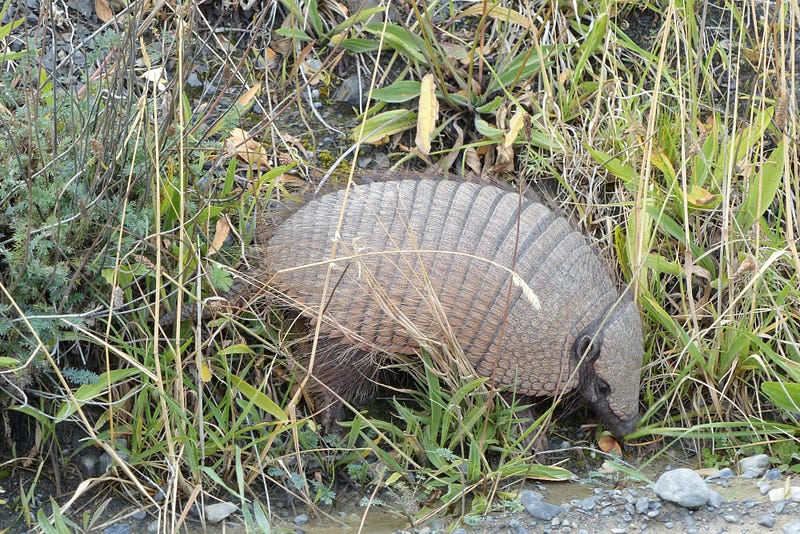
Image by Thorge

Tasseled Wobbegong

The intriguing Tasseled Wobbegong is a carpet shark found primarily around northern Australia and New Guinea. Its name, meaning ‘shaggy beard’ in an Aboriginal language, is a nod to the indigenous people’s observations of the shark’s distinctive, tassel-fringed mouth.

  • Master of Camouflage: This shark is a true illusionist, its distinctive patterns allowing it to blend seamlessly with the ocean floor, making it a formidable ambush predator.
  • Unique Hunting Strategy: It utilizes its camouflage to lie in wait for its prey, demonstrating a unique and effective approach to hunting in its marine environment.
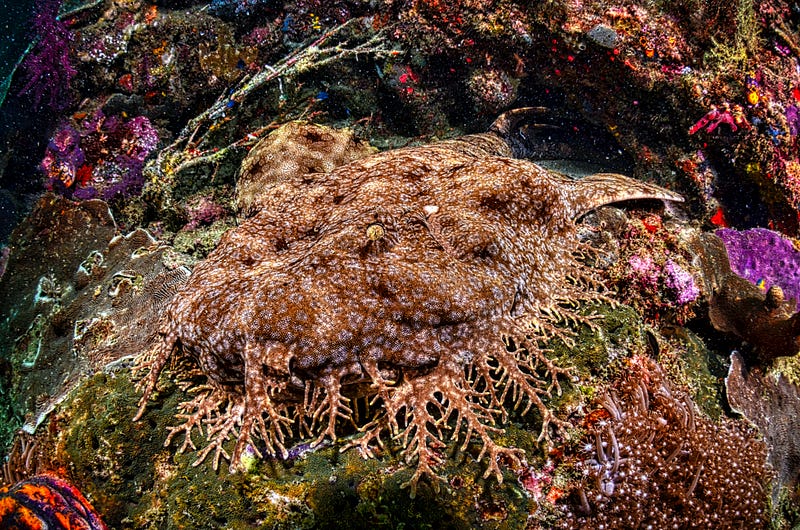
Photo by Tom Fisk

Dik-dik

The delightful Dik-dik, named after the ‘dik-dik’ sound it emits when alarmed, is a small antelope native to the African savannahs. This name is not just a whimsical choice but a reflection of the animal’s unique way of communicating distress in its natural habitat.

  • Small and Swift: These petite antelopes are embodiments of agility and speed, navigating the landscapes with grace.
  • Monogamous Pairs: They form enduring bonds with their partners, a romantic tale of lifelong companionship in the wild.
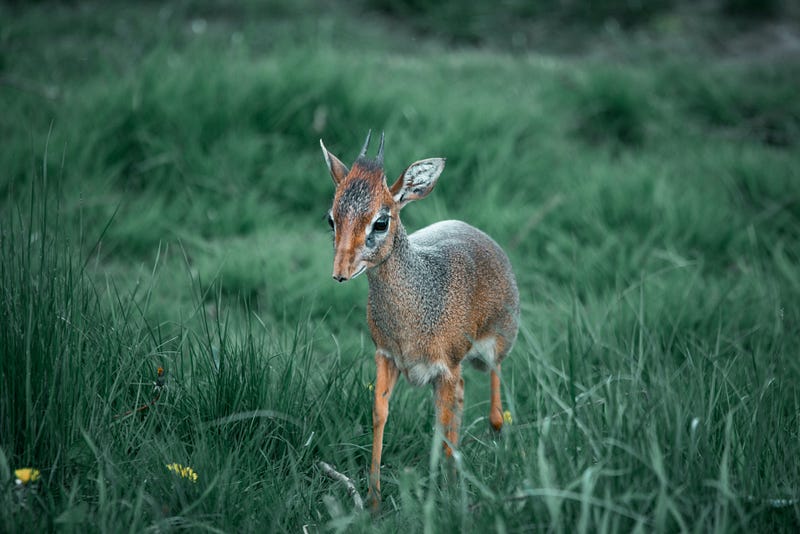
Photo by Dan RO

Proboscis Monkey

The distinctive Proboscis Monkey, endemic to the island of Borneo, is recognized by its pronounced, elongated nose, especially in males. The name ‘Proboscis’ is derived from the Greek word ‘proboskis,’ meaning ‘trunk,’ highlighting one of the monkey’s most distinctive features.

  • Swimming Skills: It’s a remarkable swimmer, with webbed feet aiding in navigating aquatic environments, a rare adaptation among primates.
  • Conservation Status: Its distinctiveness and specialized habitat make it vulnerable to environmental changes, emphasizing the importance of conservation efforts.
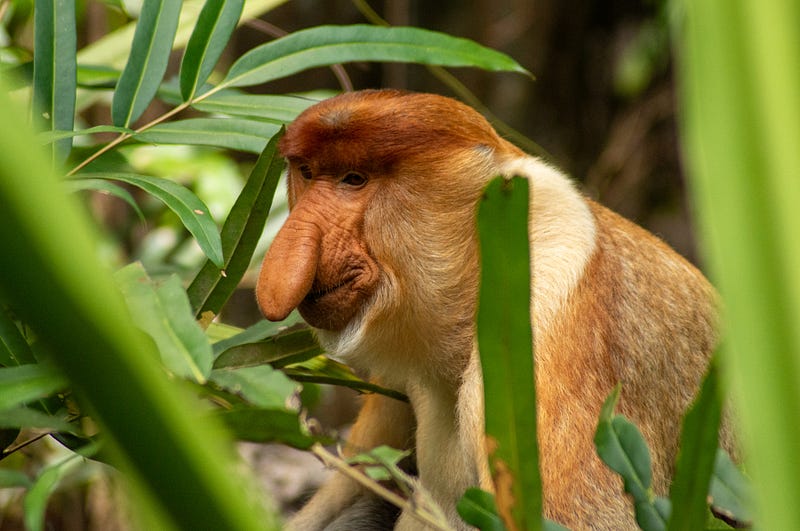
Photo by Tim Morgan

Elephant Shrew

The charming Elephant Shrew, with its long snout resembling an elephant’s trunk, is a small mammal predominantly found in Africa. The name ‘Elephant Shrew’ combines this creature’s distinctive snout and its shrew-like appearance, creating a unique juxtaposition of features.

  • High Speed: Despite its small size, it can run at speeds up to 28.8 km/h, showcasing remarkable agility.
  • Diverse Diet: It has a varied diet, consuming insects, fruits, and seeds, reflecting adaptability in feeding habits.
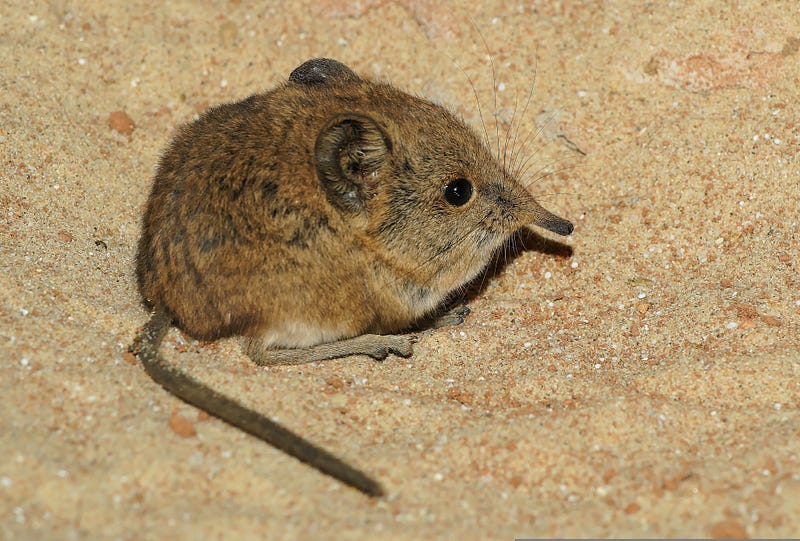
Image by Karsten Paulick

Thorny Devil

The rugged Thorny Devil, adorned with conical spines, is a lizard native to Australia. Its name vividly describes its appearance, resembling a miniature dragon or ‘devil,’ covered in ‘thorns’ or spiky scales.

  • Camouflage Expert: Its coloration allows it to blend with its desert environment, aiding in avoiding predators.
  • Water Collection: It has the ability to collect and channel water directly to its mouth through grooves in its skin, a remarkable adaptation to its arid habitat.
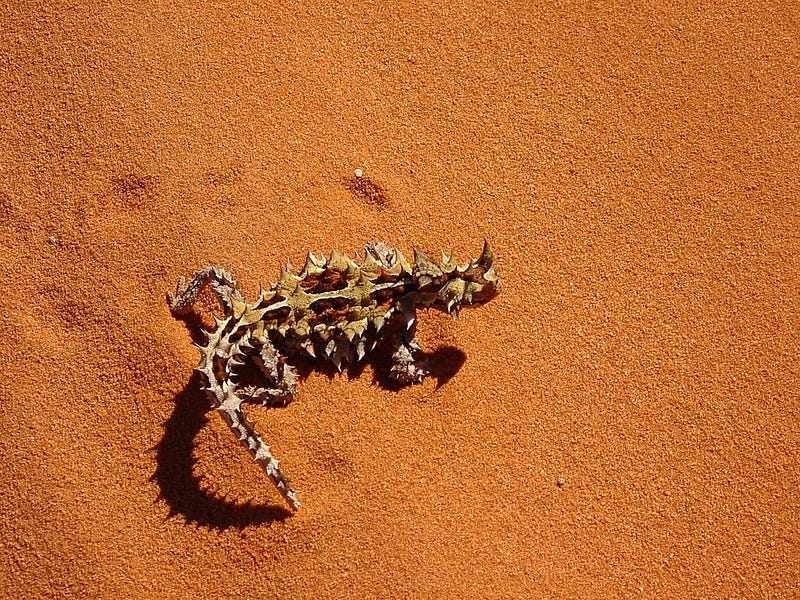
Image by Pixabay

Chicken Turtle

The unique Chicken Turtle is a freshwater turtle mainly found in the southeastern United States. It is so named because its meat reportedly tastes like chicken, a naming origin reflecting human culinary preferences.

  • Long Neck: It possesses a disproportionately long neck, used for striking at prey with surprising reach.
  • Delayed Reproduction: It has a unique reproductive strategy, with females capable of delaying egg development until environmental conditions are favorable.
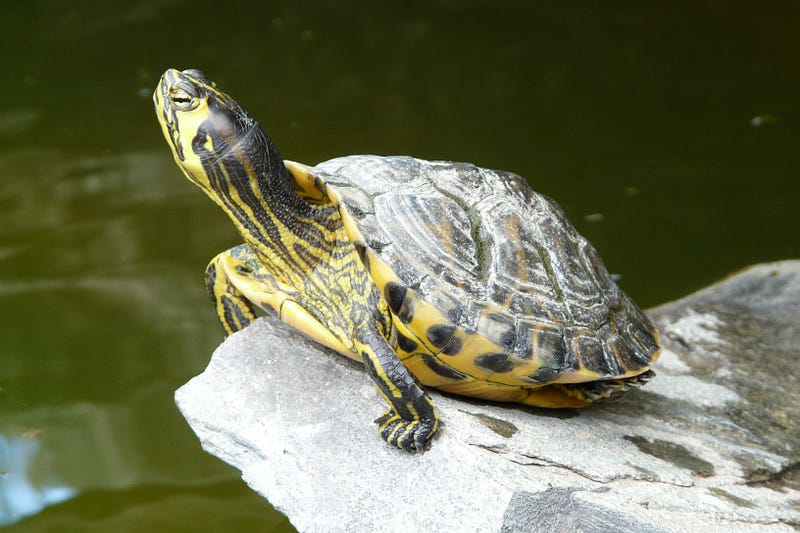
Image by Andreas Almstedt

Strawberry Poison-dart Frog

The vibrant Strawberry Poison-dart Frog, native to Central America, is named for its bright red coloration resembling a ripe strawberry and its use by indigenous people to poison the tips of blowdarts.

  • Advanced Parental Care: It exhibits advanced parental care, with mothers laying unfertilized eggs to feed their tadpoles.
  • Toxic Defense: It produces potent toxins as a defense mechanism, deterring would-be predators.
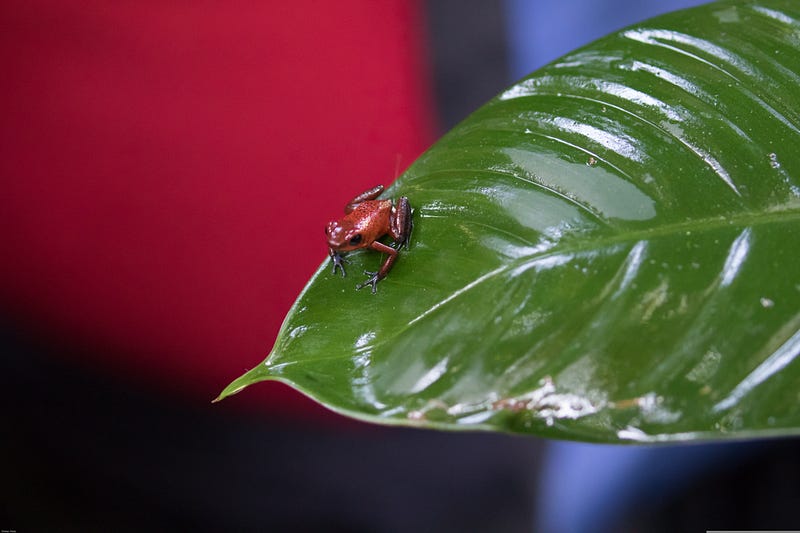
Image by D Mz

Hummingbird Hawk Moth

The elegant Hummingbird Hawk Moth, named for its resemblance to hummingbirds, is found in warmer climates of Europe, Asia, and Africa. Its name reflects its unique behavior and appearance, hovering and sipping nectar from flowers, much like the birds it resembles.

  • Daytime Activity: Unlike most moths, it is diurnal, showcasing a unique adaptation to daytime activity.
  • Long Proboscis: It has a long, coiled proboscis for feeding on nectar, demonstrating specialized feeding adaptations.
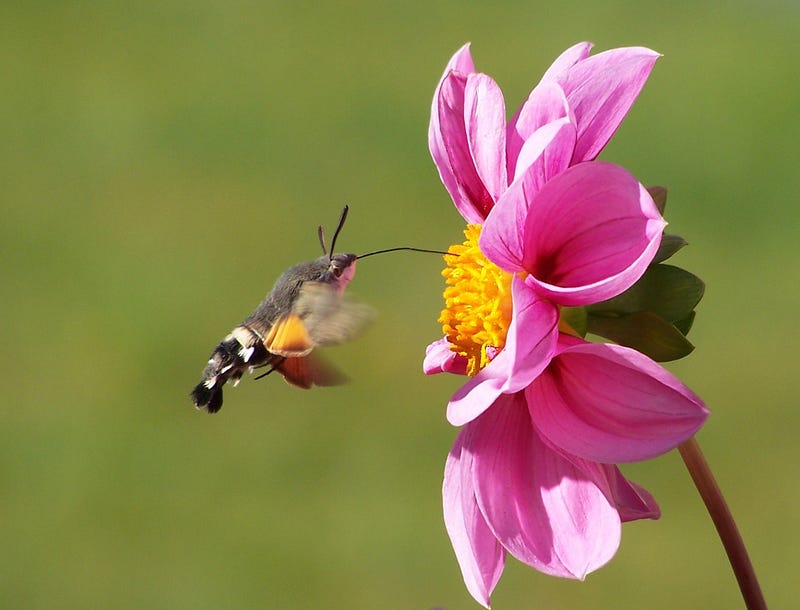
Photo by Pixabay

Kiwi

The endearing Kiwi, possibly named from the Maori language, is a unique, flightless bird native exclusively to New Zealand. The name ‘Kiwi’ is more than just a designation; it is intertwined with New Zealand’s cultural identity and heritage, symbolizing the rich biodiversity of the islands.

  • Flightless: Its small wings and inability to fly make it an intriguing anomaly in the avian world, showcasing nature’s diverse evolutionary paths.
  • Large Eggs: The Kiwi lays eggs that are exceptionally large in relation to its body size, a reproductive peculiarity that sparks curiosity about its evolutionary adaptations and survival strategies.
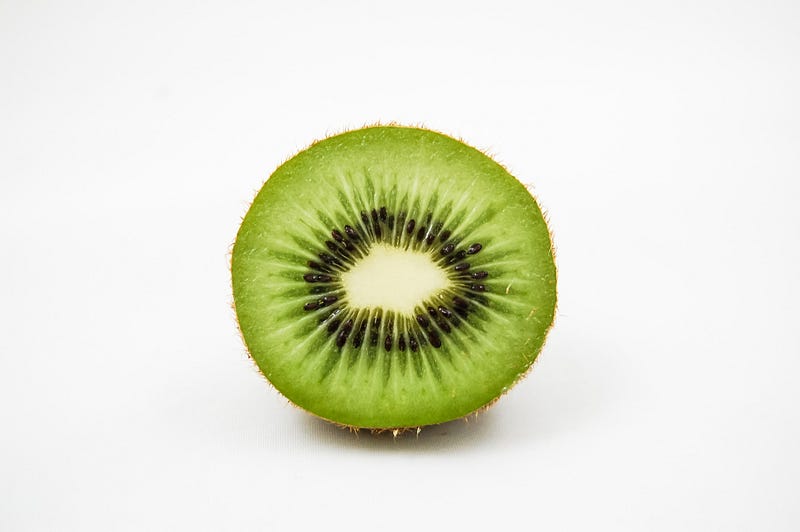
Photo by Pixabay

Conclusion: A Journey of Discovery and Reflection!

Embarking on this enlightening exploration through the diverse and extraordinary realms of the animal kingdom has been a journey filled with wonder and revelation. It’s prompted a myriad of reflections and inquiries about the unique creatures we share our world with. How does the Kiwi, with its diminutive wings, navigate life on the ground, and what evolutionary tales are woven into its flightless existence? The Tasseled Wobbegong’s camouflage mastery makes one ponder the secrets hidden within the vibrant, mysterious underwater realms. And the tales of the Dik-dik provoke curiosity about the bonds and communication strategies they employ in the vast, untamed savannahs of Africa.

After this fascinating stroll through the kingdom of such unique animals and their equally special names, the journey of discovery doesn’t end — it becomes yours to continue. Which of these extraordinary creatures has captured your imagination the most? Which stories are you eager to explore further? And have I perhaps overlooked a remarkable specimen that you believe deserves a spotlight? I’m excited to hear your thoughts, your favorites, and your discoveries, so please share them in the comments!

Thank you for accompanying me on this journey through the wonders of the natural world. Let’s keep our eyes open and our curiosity piqued for the abundant marvels nature has to offer to those who seek them. Here’s to many more discoveries and insights as we continue to explore and marvel at the wonders of the world around us!

Your support has been instrumental in my journey, and I’m truly grateful for it.

  • Stay connected and receive updates directly in your inbox, by subscribing to my email list
  • How I express myself musically? Give it a listen:
Wildlife
Animals
Biodiversity
Nature
Zoology
Recommended from ReadMedium