
AINYF SHORTS
10 Famous High-Functioning Alcoholics and the Warning Signs for All of Us
No one is immune from the clutches of alcohol.
I was amazed, fascinated, and saddened that many of our leaders and revered, talented, and high-achieving individuals were over-drinkers.
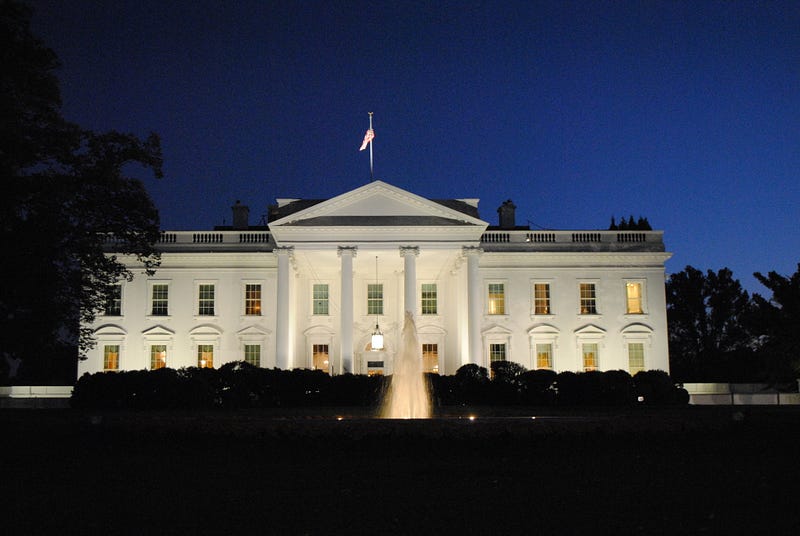
Many alcoholics succeed at work — even some have high-profile careers, such as leaders of countries, including Presidents of the United States and well-known actors and artists.
Let’s begin with a few presidents
- Franklin Pierce — Our 14th president, was a lifelong alcoholic and developed cirrhosis of the liver due to his heavy drinking. He would succumb to it.
- Andrew Johnson — Our 17th president was intoxicated the night Lincoln was shot. He was also an extremely heavy imbiber, often seen falling in the street.
- Lyndon B. Johnson — The 36th president was an excessive over-drinker. He was known for riding around his Texas ranch in a convertible, drinking scotch and soda from a plastic cup. His Secret Service agents were assigned to refill his cup after he downed it. The agents were also mistreated by the constantly intoxicated Johnson.
A few statesmen:
- Winston Churchill — The former British Prime Minister, a legendary drinker, believed that people looked up to men who could handle their drinking. When it was time for photographs, he always made sure he had a drink in his hand. He is quoted as saying: “I have taken more out of alcohol than alcohol has taken out of me.”
- Boris Yeltsin — The former president of Russia was known as a notorious drunkard. He loved to party with the best of them, dancing the nights away. It is said that his attitude helped to break the tension between the East and West after the Cold War.
Some famous, talented people we have admired:
- Vincent van Gogh — One of my favorite artists was captivated by absinthe and included it in many paintings. His diet consisted primarily of bread, coffee, alcohol, and cigarettes. Alcohol consumption was deemed a contributing factor to his mental decline. It was remarkable that van Gogh produced over 2100 oil paintings in the last decade of his life.
- Stephen King — An American writer who produced over 60 books and hundreds of short stories. He spent two decades writing while drinking heavily. He has since found sobriety through intervention by his family and a 12-step program.
- Betty Ford — Wife to President Gerald Ford and former First Lady, Mrs. Ford battled an addiction to alcohol and painkillers. She was admired for her honesty and for admitting her addictions. After entering a rehab facility, she founded the Betty Ford Center for addiction rehabilitation.
- Elizabeth Taylor — One of the most famous American actresses, she was addicted to alcohol and painkillers for over 30 years. She was the first celebrity to speak of her addictions openly. She entered the Betty Ford Center in 1983 to overcome her dependencies.
- Robin Williams — The much-loved actor and comedian drank heavily to treat his depression and the stress of his career. He admits “feeling alone and afraid” and thought drinking would help.
These outstanding, talented people were drawn into alcohol’s clutches just as you and I can be. Anyone can fall victim to addiction.
According to the website Alcohol Rehab Guide:
According to a government survey, about 20% of alcoholics in America are high-functioning alcoholics. High-functioning alcoholics defy the stereotypes of alcoholism. They have stable, well-paying jobs and large groups of friends. They take care of their families, always pay their bills, and avoid trouble with the law. Most high-functioning alcoholics are mature, middle-aged adults. In fact, their family and friends might not even know they are alcoholics if they show no signs of having a substance use disorder. Some high-functioning alcoholics will even keep their alcoholism a secret or fail to recognize it themselves.
Let’s take a look at the warning signs.
Warning Signs of a High-Functioning Alcoholic
- They need alcohol to feel confident — they often think they would lose their confidence if they stopped drinking.
- They joke that they have an alcohol problem — they don’t take their alcohol dependence seriously. They believe they can handle it.
- Drinking alone — they prefer not to be social but rather like solitary drinking.
- They become a different person when they drink — alcoholics can behave uncharacteristically, often changing their personality.
- Breaking promises to stop drinking.
- They can’t stop at one drink — they are unable to have one and quit. One whets the appetite for more.
- They hide their alcohol — and drink secretly.
If you or a loved one exhibits any signs of a high-functioning alcoholic, do not believe it means the drinking is harmless.
Since highly-functioning alcoholics appear to be doing well and are successful does not mean they are not severely addicted to the drink.
It may be more dangerous than those whose drinking is evident and where the individual is having difficulty functioning in their life.
It does appear that these famous people did quite well for themselves, for the most part. Yet, we do not know what happened behind closed doors or how their loved ones suffered. Or how they suffered.
Perhaps, it is time to reach out and suggest they seek help. Intervention may be necessary. It’s unlikely they will get help unless prodded or intervened upon.
Please, if you see yourself here — help is available.
Call your local alcohol abuse hotline or SAMHSA (Substance Abuse and Mental Health Service Administration) at 1–800–662-HELP (4357).
You will not regret it.


