

10 Expert Tips for Growing Organic Vegetables in Urban Spaces | Urban Gardening Tips
Transform Your Urban Space into a Bountiful Garden with These Expert Tips
Discover expert tips for urban gardening and growing organic vegetables in limited spaces. Learn how to transform your urban space into a thriving garden and reap the rewards of homegrown produce.
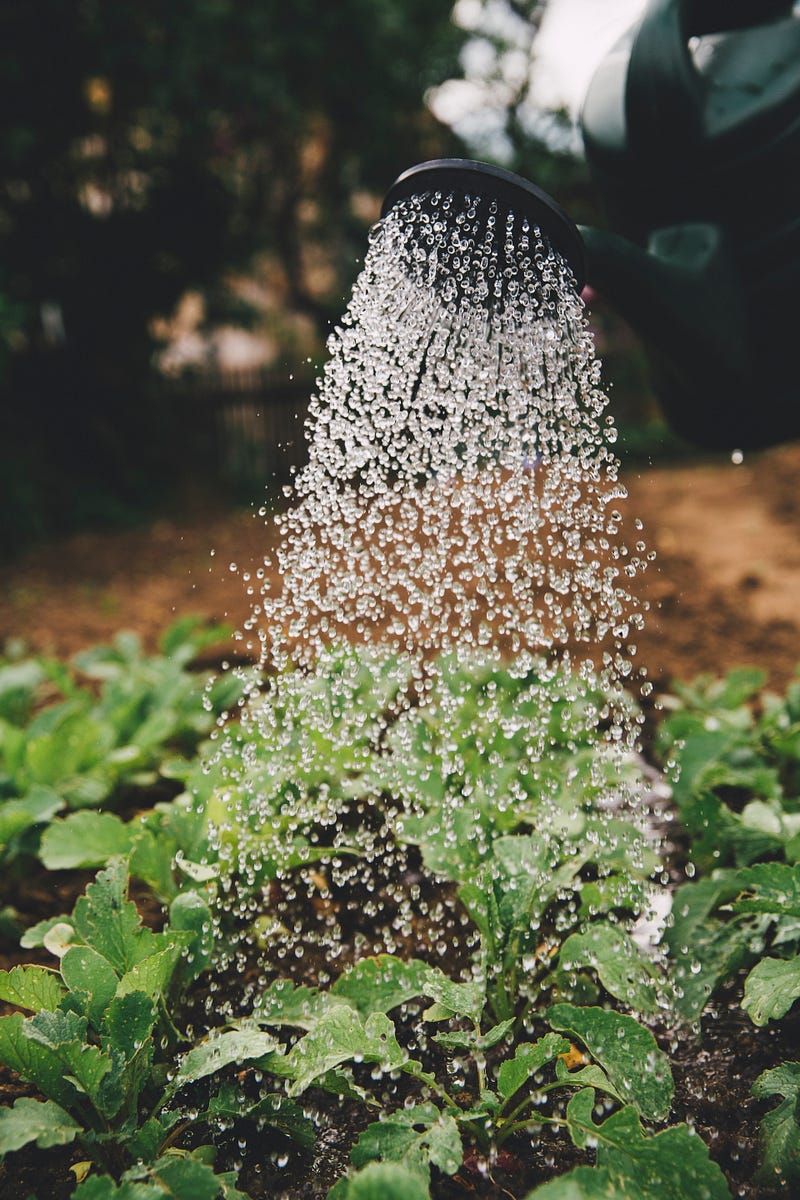
Are you passionate about gardening but feel limited by your urban living environment? Don’t worry, you can still grow your own organic vegetables even in the heart of the city!
With a little creativity and some expert tips, you can transform your urban space into a thriving garden that provides you with a bountiful harvest.
In this article, we will share ten expert tips that will guide you on your journey to becoming a successful urban gardener. Let’s dig in!
1. Find the Right Location
- Look for areas in your home or community that receive at least six hours of sunlight a day. Balconies, rooftops, windowsills, and even community gardens are excellent options.
- Assess the space you have available and ensure it has proper drainage and access to water. Consider factors like wind exposure and available space for containers or raised beds.
2. Choose the Right Vegetables
- Opt for vegetables that are well-suited for container gardening or small spaces. Leafy greens, herbs, tomatoes, peppers, radishes, and carrots are great choices.
- Take into account the climate and seasonality of your region. Select vegetables that are suitable for the specific time of year and temperature conditions.
3. Plan Your Garden Layout
- Before you start planting, plan the layout of your garden. Consider the space available, growth habits of your chosen vegetables, and their sunlight requirements.
- Group plants with similar needs together to make watering and maintenance easier. Plan for adequate spacing between plants to allow for proper air circulation and growth.
4. Invest in Quality Soil and Compost
- Healthy soil is the foundation for successful organic vegetable gardening. Choose a high-quality organic potting mix or create your own by combining compost, vermicompost, and other organic matter.
- This will provide essential nutrients and promote strong root development. Avoid using soil from unknown sources or contaminated areas, as it may contain harmful chemicals or pathogens.
5. Efficient Watering Techniques
- In urban gardening, water can be a precious resource. Optimize water usage by utilizing techniques such as drip irrigation, self-watering containers, or installing a rainwater harvesting system.
- Mulching around plants can help retain moisture and reduce water evaporation. Use organic mulch, such as straw or wood chips, to suppress weeds and conserve moisture in the soil.
6. Practice Companion Planting
- Companion planting is an organic gardening technique that involves planting mutually beneficial crops together. Some combinations, like basil and tomatoes or marigolds and carrots, repel pests, attract beneficial insects, and improve overall plant health.
- Research companion planting combinations that work well for your chosen vegetables. By implementing companion planting, you can naturally deter pests and reduce the need for chemical pesticides.
7. Integrated Pest Management
- In urban environments, pests can pose a challenge to your vegetable garden. Embrace organic pest control methods such as handpicking pests, using insecticidal soaps or neem oil, and introducing beneficial insects like ladybugs or lacewings.
- Regularly inspect your plants for signs of pest infestation to take prompt action. Encourage natural predators by creating habitats, such as providing nesting materials and planting nectar-rich flowers nearby.
8. Regular Maintenance and Pruning
- To ensure your urban garden flourishes, regular maintenance is essential. Monitor plant growth and health, remove weeds promptly, and provide support for plants that need it.
- Prune plants to encourage healthy growth, improve air circulation, and prevent overcrowding. Pruning also helps redirect the plant’s energy toward fruit production.
9. Organic Fertilizers for Nutrient Boost
- Feed your plants with organic fertilizers to promote healthy growth and abundant yields. Compost tea, seaweed extract, and worm castings are excellent options.
- These natural fertilizers enrich the soil and provide essential nutrients without harmful chemicals. Apply them according to package instructions or consult with a local gardening expert for specific recommendations.
10. Embrace Continuous Learning
- Gardening is a lifelong learning journey, and each season brings new challenges and opportunities. Stay curious, experiment with new techniques and varieties, and learn from experienced urban gardeners in your community.
- Join local gardening groups or online forums to exchange knowledge and gain valuable insights. Attend workshops or webinars to expand your gardening skills and stay up to date with the latest urban gardening trends and practices.
By following these expert tips, you’ll be well on your way to cultivating a flourishing organic vegetable garden in your urban space. Enjoy the satisfaction of growing your own nutritious produce while creating a green oasis amidst the concrete jungle.
FAQs
1. What are the best vegetables to grow in urban gardens?
- Answer: The best vegetables to grow in urban gardens are those that thrive in small spaces or containers. Leafy greens, herbs, tomatoes, peppers, radishes, and carrots are great choices for urban gardening due to their adaptability and compact growth habits.
2. How much sunlight do urban vegetable gardens need?
- Answer: Urban vegetable gardens generally require at least six hours of sunlight per day. It’s important to find areas in your urban space, such as balconies, rooftops, or windowsills, that receive sufficient sunlight for optimal plant growth and productivity.
3. What type of soil should I use for my urban vegetable garden?
- Answer: For urban vegetable gardening, it’s essential to use high-quality organic potting mix or create your own by combining compost, vermicompost, and other organic matter. This will provide the necessary nutrients and promote healthy root development for your vegetables.
4. How can I conserve water in my urban vegetable garden?
- Answer: To conserve water in your urban vegetable garden, consider utilizing techniques such as drip irrigation, self-watering containers, or installing a rainwater harvesting system. Additionally, mulching around plants can help retain moisture and reduce water evaporation.
5. How can I control pests in my urban vegetable garden organically?
- Answer: In urban vegetable gardens, it’s important to embrace organic pest control methods. These can include handpicking pests, using insecticidal soaps or neem oil, and introducing beneficial insects like ladybugs or lacewings. Regular inspections and early intervention are key to maintaining a healthy garden.
6. Can I grow organic vegetables in small urban spaces without a garden?
- Answer: Yes, you can grow organic vegetables in small urban spaces even without a traditional garden. Consider utilizing containers, vertical gardening techniques, or even participating in community gardens to make the most of your limited space.
Affiliate links was used in article. Chat GPT help with this article.
Purchases via my affiliate link support further informative content.