Photography
10 Easy Steps for Better Travel Photos
I offer practical tips for aspiring photographers who wish to level up their travel photography.
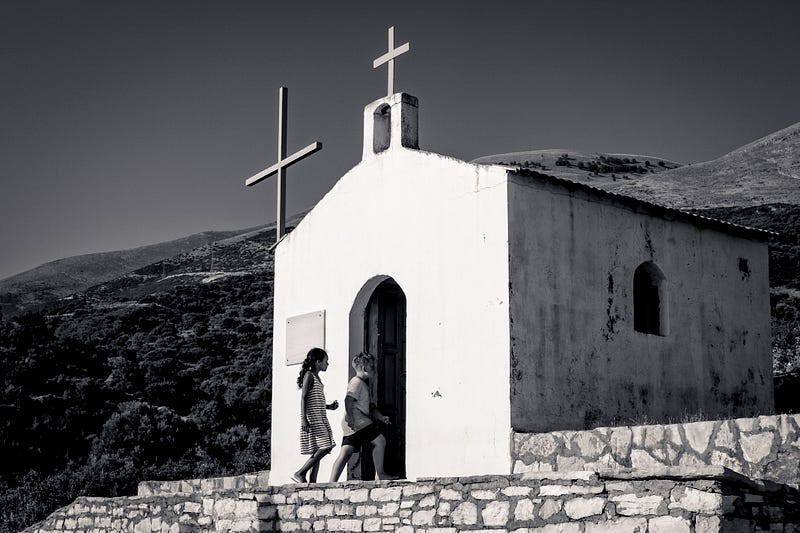
Traveling and the implied need for freedom and knowledge are the bases of the human spirit. Most of us are born with the drive to explore and to learn, to create, and to socialize.
Nevertheless, few manage to keep this spark alive for the rest of their life. Under the impulse of our everyday routine, we forget to follow our dreams, and the wish to travel may be the most common dream people have.
Memories from the places we visit may be the most lasting and intense beyond those of the people we love. These memories are worth keeping for the rest of our lives, and the best and simplest way to do this is through photographs.
In these times when technology has reached such a massive development, we take and look at so many photos that their quality has dropped considerably.
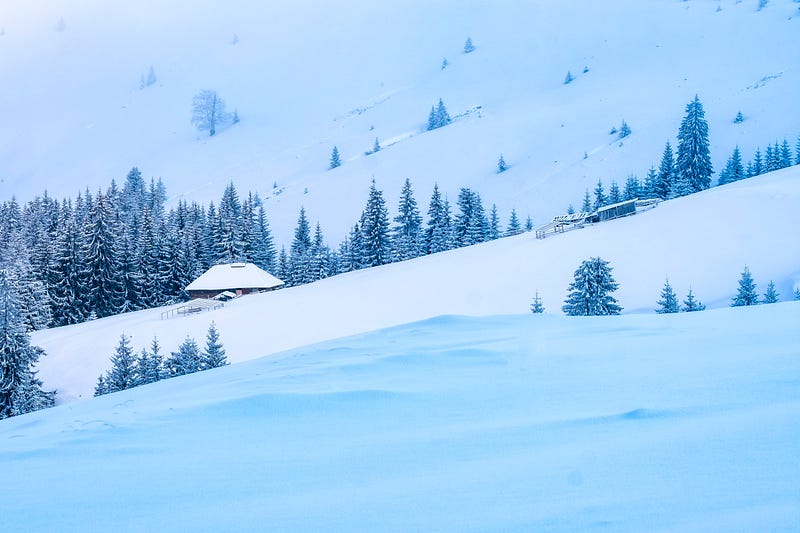
I still remember seeing the images of famous travel photographers like Steve McCurry or Sebastiao Salgado for the first time. I was instantly struck by the intensity of their emotion and their power to transport you to different places and times.
They are truly contemporary paintings of our world, and from that moment, I knew that my dream was to show the places and people I met as best as possible.
Unfortunately, I somewhat lack the skill to get close to people I meet for the first time. I don’t have the talent to enter their universe and capture their essence instantly. This is why many of my photos lack a human element or subject. However, I still do my best and try to overcome my introversion every chance I get.
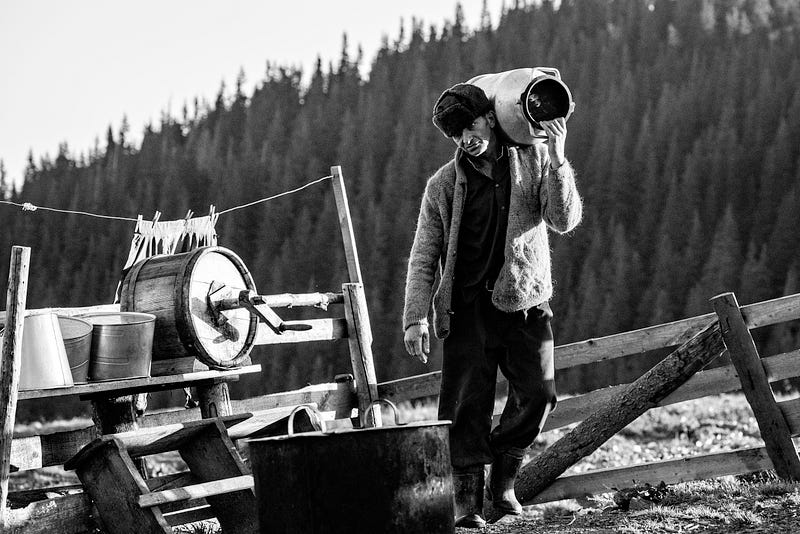
I’ve been traveling with my camera for the last 15 years, and over time, I realized there are a few easy things anyone can do to improve their travel photos.
These are definitely not for professional or even experienced photographers, as I am in no way qualified to give them advice.
The following 10 points are mainly for people who travel with their camera or even smartphone and are passionate about capturing the best memories possible.
The best tool for a photographer is not the camera, but the unique combination between his eyes, mind and soul.
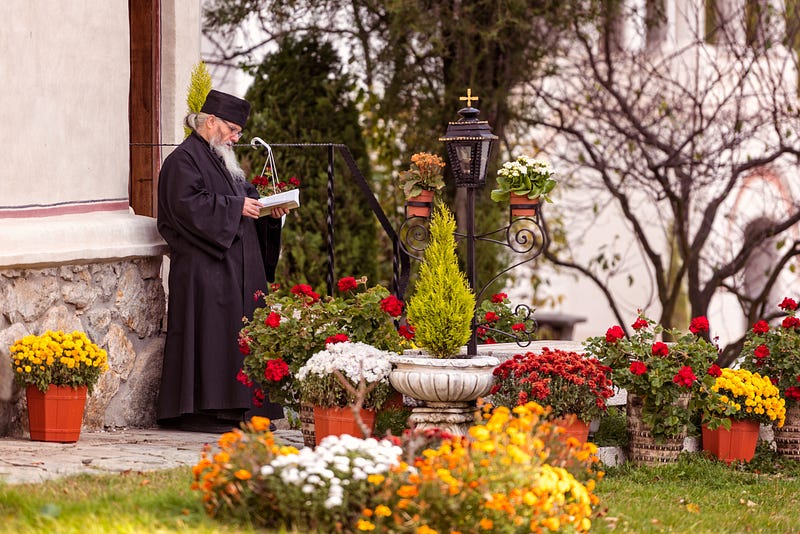
Maybe the most important thing, before anything else, is to truly look and understand the place you visit. Even before you look through the viewfinder or the screen, you have to be connected to the destination's atmosphere to resonate with its authentic character and people. The best tool for a photographer is not the camera but the unique combination of his eyes, mind, and soul.
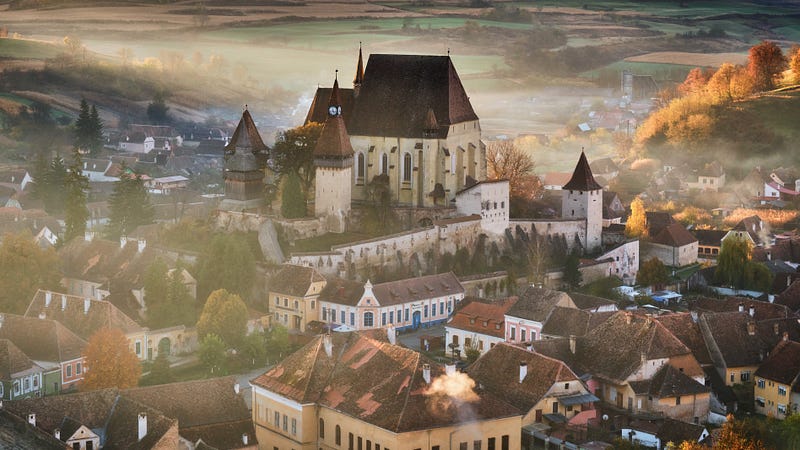
Many people have sadly forgotten to enjoy the simpler things and acknowledge the beauty around them. We have become so consumed with what others think about us and our outer image that we forget to look within.
I often see people in the most amazing places or in the middle of fascinating events turning their backs and looking towards the screen of their phones.
Before feeding their soul with a lovely experience and capturing a lasting memory, they are more concerned about bombing social networks with their own image.
Nonetheless, there are still many true travelers who want to recollect the places they visit and the things they experience. For them, I have tried to put together ten easy pieces of advice that could help me prove their travel photography.
1- Know your destination!
It is worth doing a bit of research before heading out to discover the best photo opportunities in each place. Nowadays, you can find everything about anything, and you can learn the most interesting or photogenic places, the times certain sites open each day, and the most commonly used angles and scenes (in order to avoid them, of course).
You can choose to make an itinerary or simply wander around, but always take the time to immerse yourself into the spirit of the place before you take a photo.
Do try to visit when there are fewer tourists, maybe by traveling outside the peak season! Also, look for more authentic and lesser-known places or events!
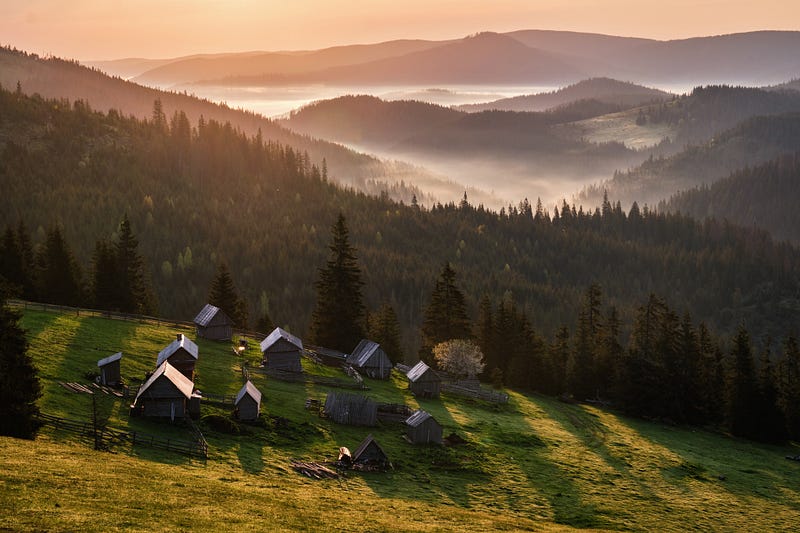
2 — The right tools for the job!
Travel photography can include a multitude of different situations. From street and architecture photography to landscape and nature photography, sometimes even night or portrait photography, you can encounter endless opportunities and possibilities during a trip.
Although you can use any device with a camera, if you need to increase the quality, you should adapt the equipment to your needs or artistic vision. I would suggest having at least a camera with an all-around lens capable of capturing various situations, plenty of memory cards, and spare batteries.
If you wish to advance to the next level and can afford it, get a better DSLR camera, a few special lenses (wide and telephoto), filters, and a travel tripod.
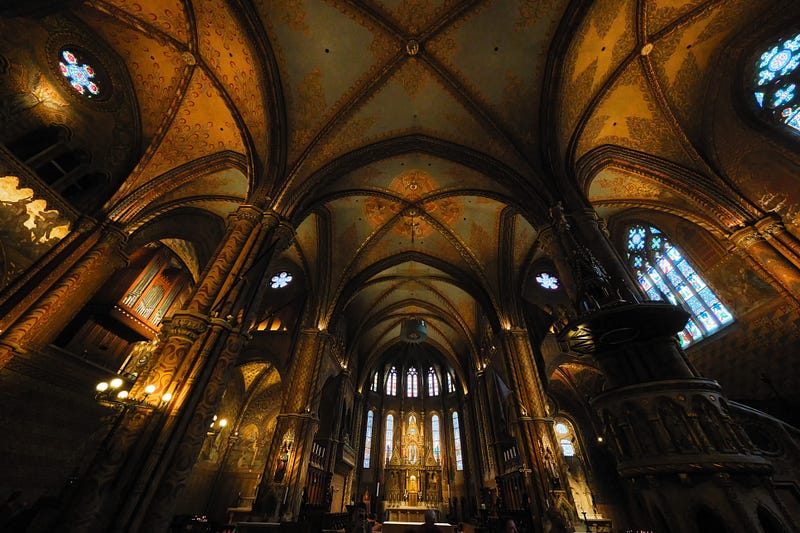
3 — Learn the composition rules and only then break them!
The basic rules of photography are also applied in travel photography. There are a lot of books and even YouTube channels where you can learn them with real-life examples. Once you master the rules and use them unconsciously, you can deliberately break them to follow your vision.
First, you should have a clear subject for your composition and place it for maximum impact. The rule of thirds says that the best place for a subject is at the intersection points of the lines, breaking the frame into three equal parts horizontally and vertically.
Other rules concern perspective, depth of field, horizon placement, framing, size of subjects, and more, which you can certainly learn along the way.
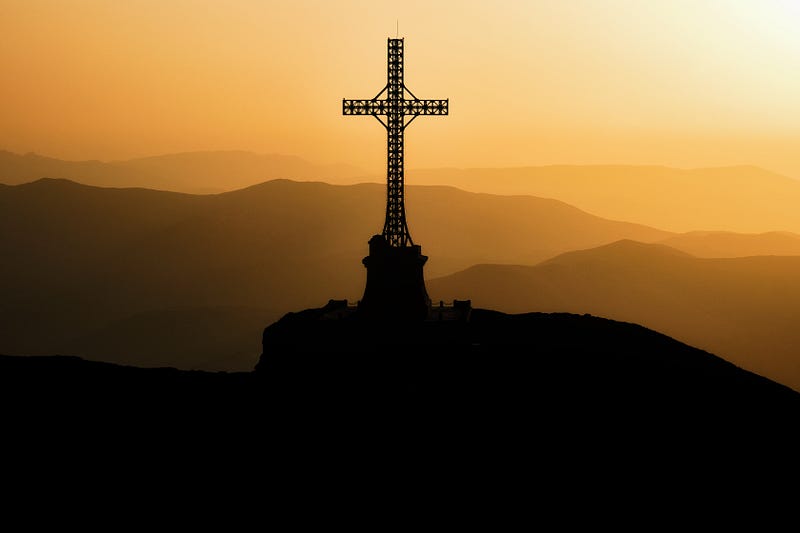
4 — Use the manual mode as a beginner!
While it might sound strange and contradictory, it is the best way to learn everything your camera can do. Yes, you can still take good photos with the auto mode, but there are situations where you will want to control every exposure parameter.
Even if it might seem difficult initially, and it took me a few years to completely understand all the nuances, it will all come by reflex if you practice enough.
After you have mastered all the settings and it becomes second nature, you can use your camera's other semi-automatic modes to help you make some adjustments.
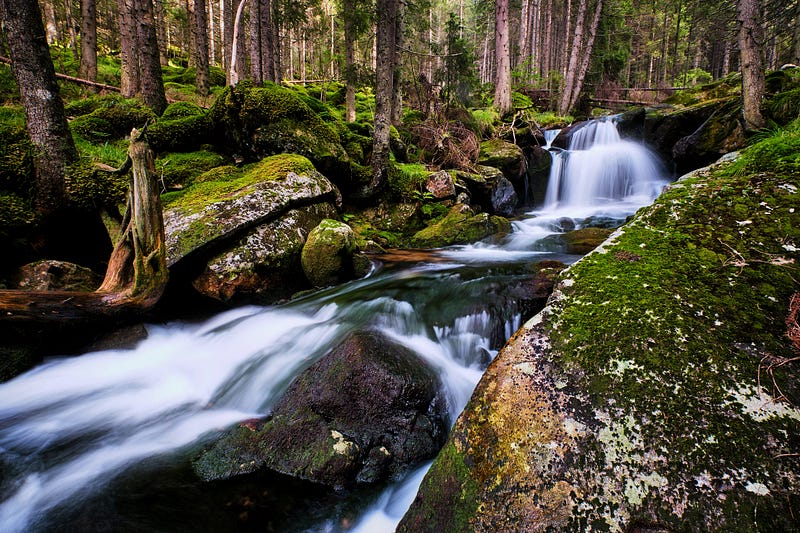
5 — Be one with the light!
Light can turn a mundane scene or subject into something exceptional. The supreme goal of any travel photographer is to understand and use light to tell a beautiful story with each photograph.
Good light must have certain requirements in photography, particularly regarding its quality, direction, and color, all of which impact a certain scene.
For travel photographers, natural light is essential, and generally, the best light is at sunrise and sunset (1–2 hours before and after). These are the times you should consider photographing the most important subjects.
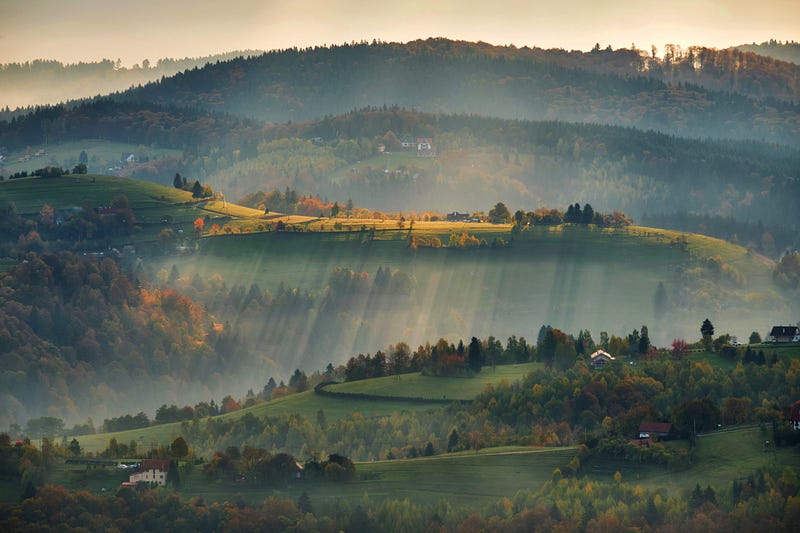
6 — Choose the most representative subjects!
The subject of each photo is as important as any other element. There are countless subjects to photograph everywhere you travel, some more obvious than others.
From people to landscapes, from streets to wildlife, anything can be a subject at a certain moment, and each one needs somewhat different technical and aesthetic knowledge. It is important to frame each subject so that it best reflects the spirit of the place.
It also helps a lot to include your own feelings and experiences in each image. Searching and choosing the subjects worth capturing will become much easier with time and experience.
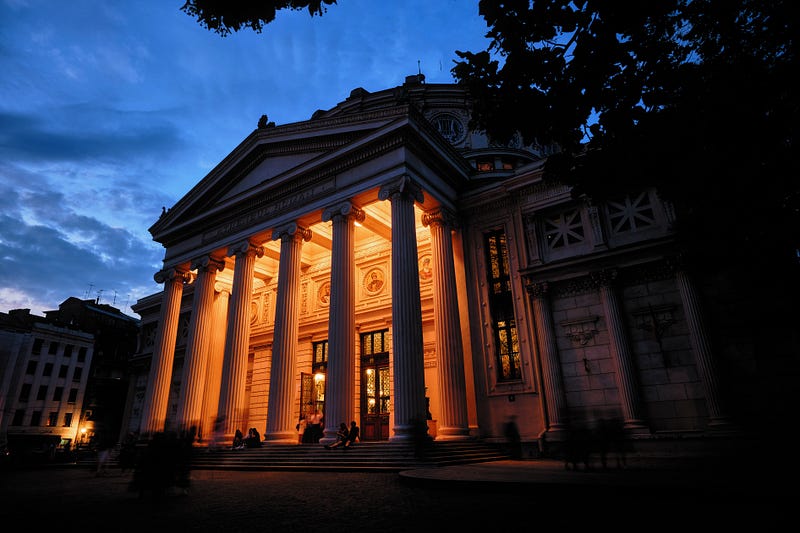
7 — Look for the unique or unusual!
After photographing the most famous and important subjects, it is worth taking the next step and looking for things others have not yet found or new approaches to the same known subjects.
Of course, there are places so popular that every angle and corner has been captured thousands of times. If you want to try something new, explore other lesser-known places, look for different angles, and walk away from the crowds, where local culture or raw nature has not changed much.
You will have different and special photographs and unique travel experiences. There are countless photos of the Eiffel Tower or the Coliseum, but if you look enough and use your imagination, there are still unusual or unique scenes.
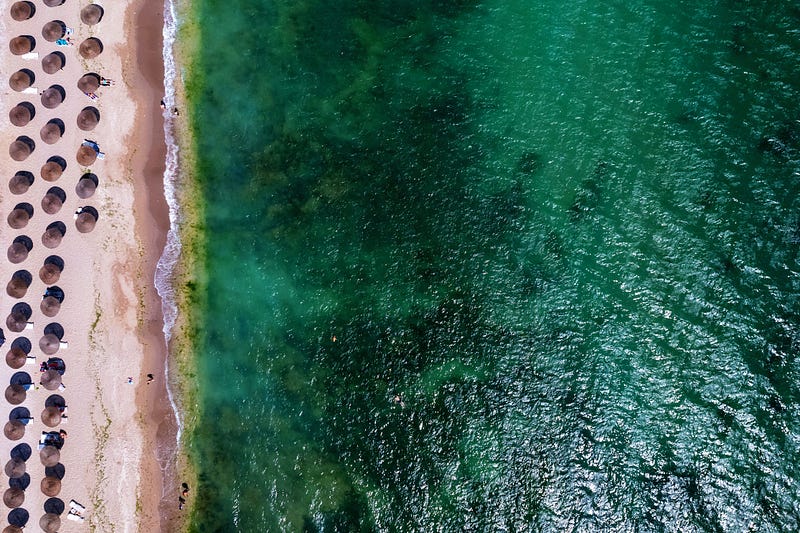
8 — Join photo tours and workshops!
If you cannot find travel companions as passionate about photography as you are or if you wish to learn and try new things, photo tours and workshops are perfect opportunities.
You can also return home with exceptional photos and new friends, as many tours are designed to explore the most beautiful destinations and subjects.
They are wonderful ways to meet like-minded people and learn from the best photographers, everything while enjoying yourself.
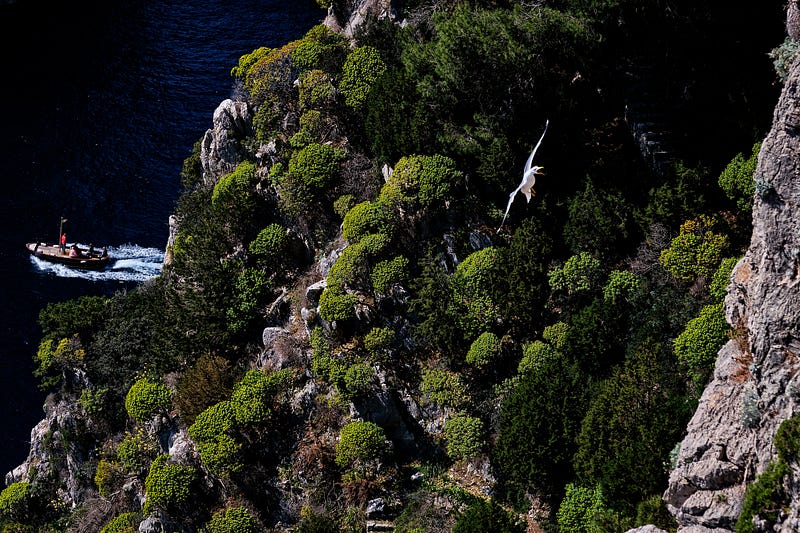
9 — Less is often better!
Instead of photographing all the time and everything you see, learn to select the most interesting moments and subjects.
Also, rather than taking hundreds of common frames of the same thing or place, search for the best composition and wait for the perfect moment and light to take one or several sensational photos.
Once you are back home, it is also important to select the best images, keeping only those that you consider worthy and that mean something to you emotionally.
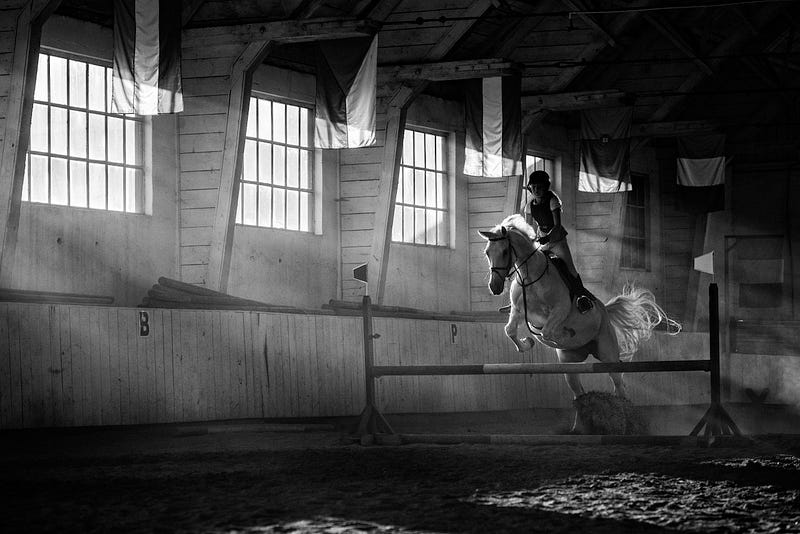
10 — Try to tell a story!
Beyond showing how beautiful or interesting a place or subject is, a set of travel photos should tell a compelling story.
They must convey something beyond the visual appearance, stirring certain feelings of the watcher. The photos you take during a trip should also contain your emotions into images to create a complex story about your experiences.
Don’t limit yourself to creating photos that might be beautiful at first sight, but seen as an ensemble, they tell little about the experience.
Thank you for reading my story. I look forward to your comments, and I will be happy to answer your questions.