
10 daily habits for great health | a practice I have followed for a decade+
Health is often considered to be one of the most precious assets that we possess. Without good health, it can be difficult to enjoy life to the fullest and pursue our goals and aspirations.
“Health is Wealth” — a well-known proverb that has been attributed to many people throughout history, including the ancient Roman poet Virgil, the English writer John Ray, and the American statesman Ralph Waldo Emerson.
Physical health, mental wellbeing, and emotional resilience are all essential components of a healthy and fulfilling life. When we prioritize our health, we are investing in ourselves and our future.
Here are top 10 daily habits that I have tried to follow for decade+:
1. Drink 2 glasses of tepid (or normal temperature) water first thing after getting out of bed:

- Hydration: Drinking water in the morning helps rehydrate the body after several hours of sleep and kickstart various bodily functions.
- Bowel movements: Great way to stimulate movement in your bowels.
- Flushes out toxins: During the night our body repairs itself and cleans out toxins. Drinking water helps flush out toxins and waste products that get stored in your body overnight.
- Boosts metabolism: Drinking water in the morning can increase metabolic rate.
- Assist in weight loss: Drinking water first thing in the morning reinforces healthy weight loss. You will feel less hungry and your cravings for that day may be reduced.
Why you should never drink tea or coffee on an empty stomach

- Your body is already dehydrated due to hours of sleep at night.
- Tea is diuretic and causes you to urinate more. Dehydration can lead to Constipation.
- Tea and coffee are acidic in nature and having them on an empty stomach can disrupt the acid-basic balance of stomach.
2. Don’t look at your phone/laptop screen first thing when you wake up:
- An old age habit my grandma would do for clear vision till old age, was splash the eye with cold water several times first thing in morning, before straining the eye on focussed activities.
- Checking emails, messages or social media notifications first thing can trigger a stress response in the body. Do it after your morning routines.
3. Stretching exercises:

- 10 mins of stretching exercise in morning goes a long way in promoting overall health and wellbeing. Stretching increases blood flow to the muscles, which can help to supply them with more oxygen and nutrients.
- Stretching can help to enhance mental clarity and focus by improving blood flow to the brain and releasing tension in the body.
- Stretching exercises can help improve flexibility by loosening up muscles and reducing stiffness which the body needs after waking up.
- Stretching can help to boost energy levels and reduce feelings of fatigue, making it easier to get through the day.
4. Meditation:
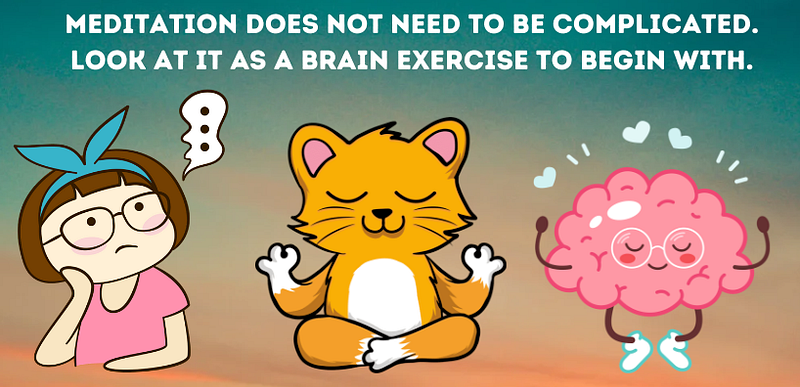
Meditation is a practice that involves training the mind to achieve a state of calmness, relaxation, and mental clarity. It has been practiced for thousands of years across various cultures and religions, and is now widely recognized as an effective tool for improving mental and physical health. During meditation, individuals focus their attention on a particular object, thought, or activity, and aim to cultivate a state of mindfulness or awareness of the present moment.
5. Self Talk:
The mind has been described as being like a drunken monkey constantly distracted by thoughts and emotions. The good news is that we can train this monkey to be more useful and less of a nuisance. One way to do this is through self-talk.
Autosuggestion: To change the unconscious, Coué developed a technique he called autosuggestion, in which you give a self-induced suggestion to your brain. Develop a simple routine of self talk to train your mind for any habit you want to bring in or eliminate.
6. A Spoon full of Flaxseeds and Chia seeds: (Natural Superfoods)
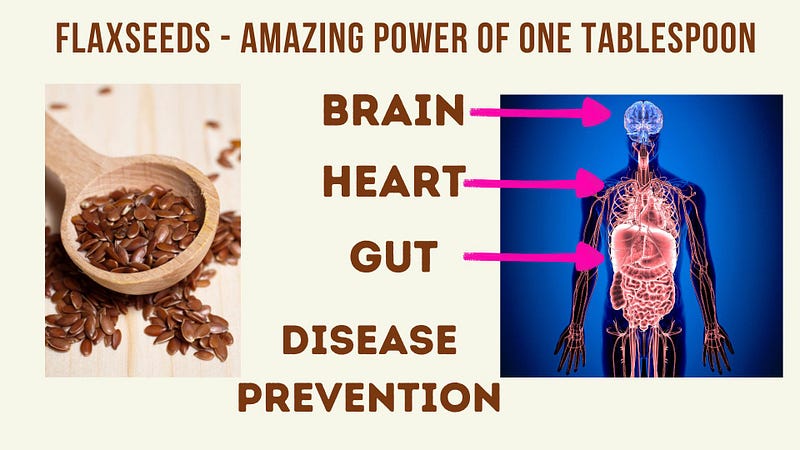
Soak a spoonful of Flaxseeds and Chia seeds in water overnight. Consume this in morning. You can also add this to your Yogurt, Cereals or smoothie.
Omega-3’s exhibit neuro-protective properties (mental health). Brain cells with high levels of omega-3 are better at communicating with other cells.
7. Daily Exercises: Walking, Jogging, Weightlifting or Strength training:

Incorporating a variety of daily exercises into your routine, such as walking, jogging and weightlifting, can have numerous benefits for your physical and mental health:
- Walking: Walking is a low-impact exercise that can be done anywhere, making it an accessible and convenient way to improve cardiovascular health, boost mood, and burn calories.
- Jogging: Jogging is a higher-impact exercise that can help to improve cardiovascular health, strengthen bones and muscles, and boost mood and mental clarity.
- Weightlifting: Regular weightlifting can help to improve bone density, reduce the risk of injury, and increase metabolism, making it an effective way to manage weight and improve overall physical performance.
8. Intermittent fasting — 6+ hours break between snacks and meals.
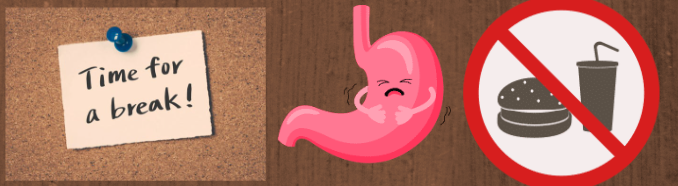
The idea behind intermittent fasting is that by limiting food intake to specific windows of time, the body is better able to regulate insulin levels, improve metabolic function, and reduce inflammation, leading to a range of potential health benefits.
Some potential benefits of intermittent fasting may include weight loss, improved blood sugar control, reduced inflammation, improved brain function, and a lower risk of chronic diseases such as heart disease, diabetes, and cancer.
9. Snacks — Keep nuts handy. Avoid processed snacks.

10. Dinner — Eat 3+ hours before sleeping.
- Sleep quality: When you eat too close to bedtime, your body may struggle to digest the food properly. By allowing your body enough time to digest your last meal, you can promote deeper, more restful sleep, which is essential for optimal physical and mental health.
- Weight management: Eating too close to bedtime can lead to weight gain and other health issues, as your body may not have enough time to properly process and metabolize the food.
- Better blood sugar control: Eating earlier in the evening can help to improve blood sugar control and reduce the risk of insulin resistance and related health problems.
Bonus Tip: Read a few pages before you sleep.
Improved sleep quality: By taking the time to unwind with a good book can help to reduce stress and anxiety, which are common causes of sleep disruptions.
- Mental stimulation: Reading can be a great way to keep your mind active and engaged, particularly in the evening when you may be winding down for the day. This can help to improve cognitive function and reduce the risk of age-related cognitive decline
- Learning: Reading is a great way to learn new things and expand your knowledge on a variety of subjects. By making a habit of reading before bed, you can help to promote lifelong learning and personal growth.
Thank you for reading. Your suggestions and comments are greatly appreciated.