
10 Countries with worst Women Rights Challenges
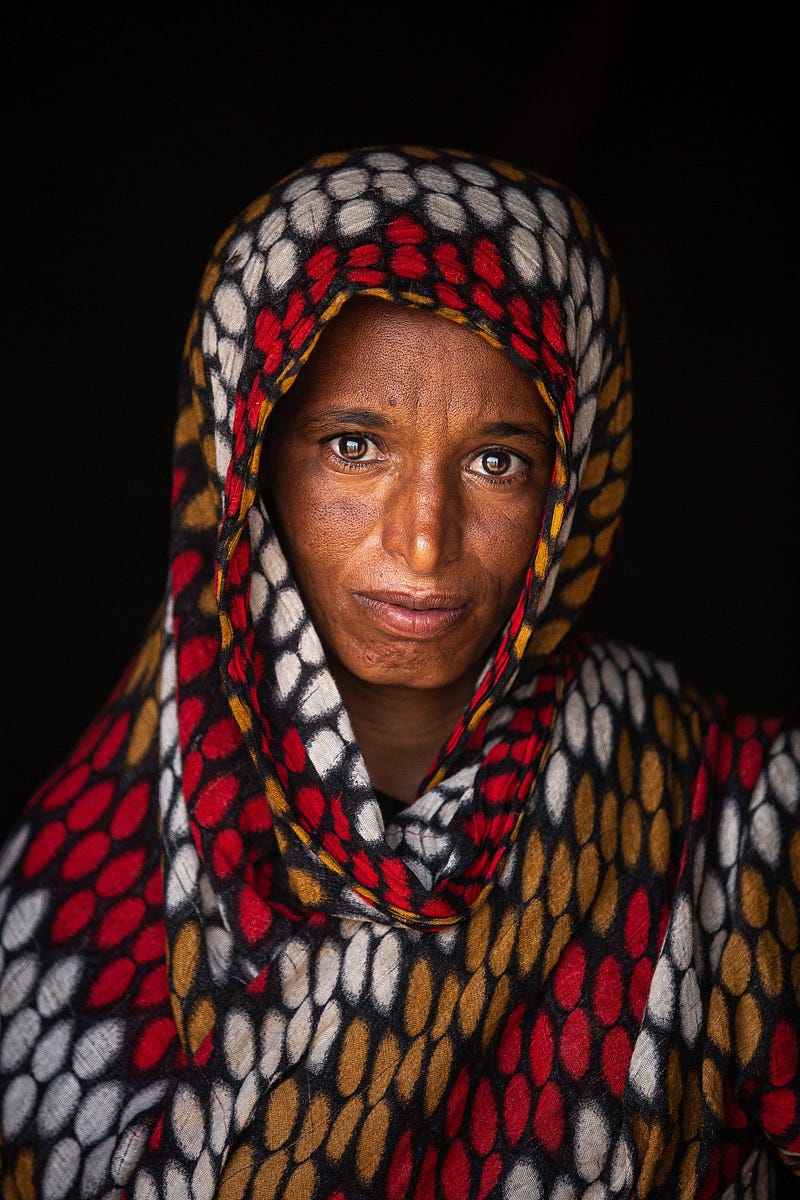
We are constantly reminded of the pervasiveness of gender inequality around the world, which includes both overt problems like gender-based violence and more covert norms and beliefs that uphold the imbalance over generations. Women’s rights are evaluated through indices like the Women, Peace and Security Index, a joint project of Oslo’s Peace Research Institute and Georgetown University, which measures women’s participation in society, representation in the justice system, and levels of personal security at home, in the community, and in conflict situations. The United Nations’ Gender Inequality Index also includes comparable information on political representation for women, educational opportunities, and crucial elements like maternal mortality, early marriage, and teen pregnancy.
The 10 worst nations for women’s rights are listed below.
We also go into detail about some of the issues that are particular to each setting and that Concern is attempting to address through its programming in every nation.
10. PAKISTAN
There are some differences between the WPS Index 2021 and the United Nations Gender Inequality Index 2020 regarding Pakistan’s stance on women’s rights. The latter ranked the country 135th out of 162 countries — not the best picture for health, but not in the top 10 or even the top 25 for women. However, in the Women, Peace and Security Index, the country ranks 167th out of 170 countries. The index points to the low level of women’s financial inclusion (7%), less than four years of education, employment at just over 21%, highly discriminatory standard social and legal standards and partner relationships. violence.
WPS stated that one of the reasons why Pakistan is ranked lower is due to the differences in women’s rights among the provinces. The nation’s lowest-ranked state earns nearly four times more than its highest-ranked state; This gap is “behind the national average,” according to WPS.
WPS correlates this with income and poverty in each state, demonstrating the link between extreme poverty and gender inequality. There are some differences between the WPS Index 2021 and the United Nations Gender Inequality Index 2020 regarding Pakistan’s attitude towards women’s rights. The latter ranked the country 135th out of 162 countries — not the best picture for health, but not in the top 10 or even the top 25 for women. However, in the Women, Peace and Security Index, the country ranks 167th out of 170 countries. The index points to the low level of women’s economic participation (7%), less than four years of education, an employment rate of just over 21%, highly discriminatory standard social and legal standards and partner relationships. violence.
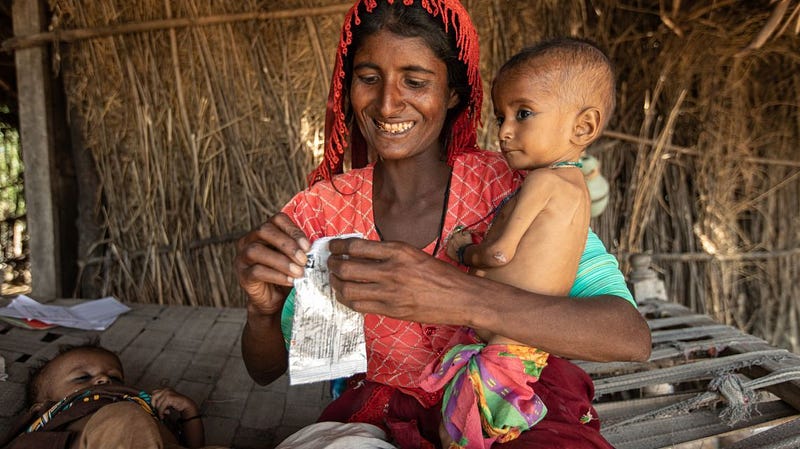
9. Central African Republic
The situation of women in the Central African Republic improved in the 2021 WPS Index, mainly due to a decrease in violence and an increased sense of security in society. But there’s still a lot of work to be done. Most Central African women receive only three years of education and their representation on the council is less than 9%. Moreover, although institutional violence has decreased, one in five Central African women is still in a relationship with an abusive partner.
There are other indicators and problems regarding women’s rights in the Central African Republic. Gender-based violence, such as early marriage and forced marriage, means that 61% of women aged 20–14 are married or cohabiting before they turn 18. There are also restrictions on gender, children’s health, and the rights of women of reproductive age. Just over a third of women in the Central African Republic have access to family planning programs today in 2019, according to UN Women.
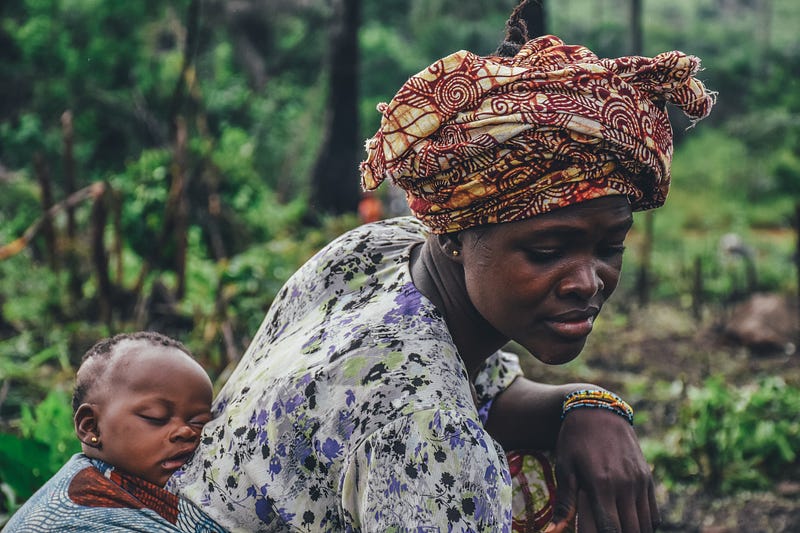
8. Somalia
Somalia ranks 12th in the 2021 WPS Index. While the country has more female MPs than the Central African Republic (23% of the Somali parliament are women), fewer women work there (68% vs. 23% respectively). Indicators of achieving gender equality in Somalia’s Sustainable Development Goals are sometimes disappointing, due to a lack of reporting on women’s access to property values (including land rights), harassment and violence against women, and the gender pay gap.
Other indicators published by the United Nations do not show progress in these areas. More than a third of Somali women aged 20 to 24 marry before the age of 18, and only 2% of women nationwide have access to a safe family planning routine and birth control. This has caused Somalia to have one of the highest death rates in the world: 829 Somali women die for every 100,000 births.
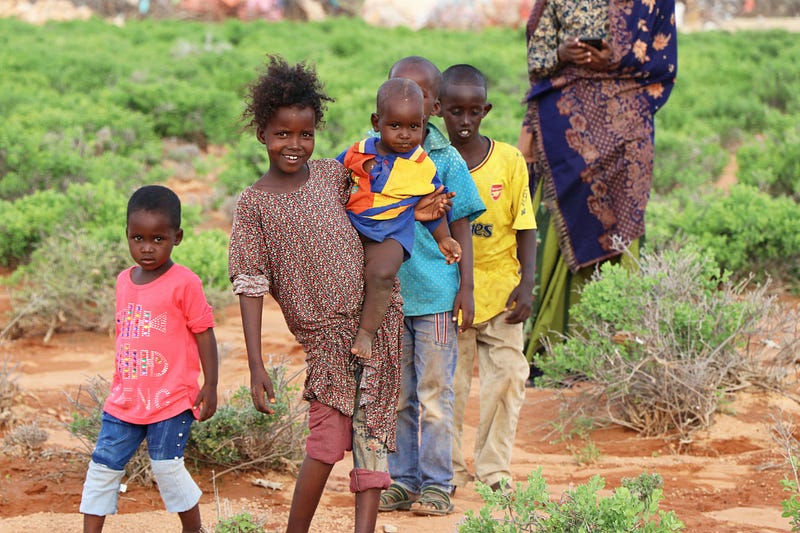
7. Sierra Leone
Sierra Leone has more maternal deaths than Somalia; 1,120 out of 100,000 women die due to pregnancy or childbirth. This is a long-standing problem; One of the concerns is part of our Innovations in Maternal, Newborn and Child Health (2009–2016) program. Although many countries have attempted to change outdated and outdated gender stereotypes, crises such as the Ebola outbreak in 2014 have disrupted progress,16 leading to an increase in unintended teenage pregnancies.
While Sierra Leone has enjoyed peace for the last 20 years, gender-based violence is still a reality in many areas. According to the WPS Index, only 45.8% of Sierra Leonean women feel safe walking home in their communities at night. Most women receive less than three years of education, and school-related gender-based violence is also a problem. (There are currently efforts to address this problem by developing safe educational standards.) Similarly, female genital mutilation (FGM) is common among 90% of women and girls aged 15–49
6. Sudan
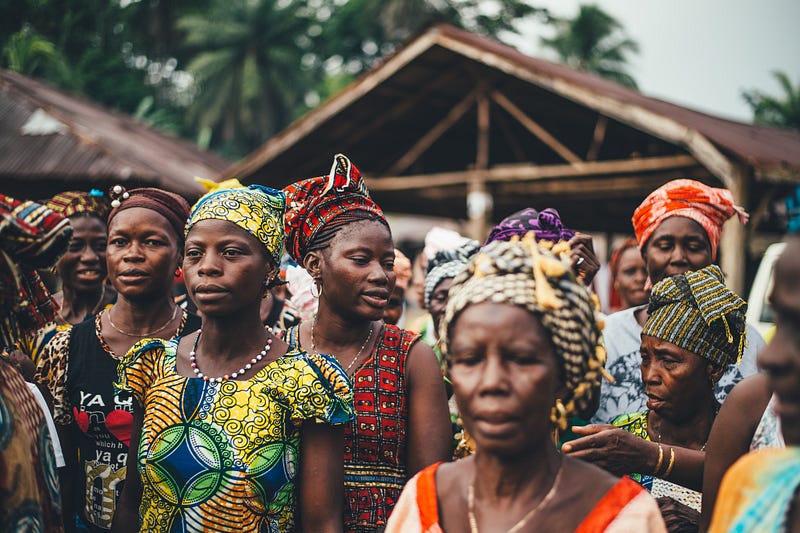
The summer of 2019 was a turning point for women’s rights in Sudan, with significant achievements in many areas. The criminalization of female genital mutilation (FGM), the removal of previous laws restricting women’s freedom regarding what to wear, where to go, what job to work, and the target of 40% female representation in the interim council are significant achievements.
These major changes heralded a long-awaited success for Sudanese women. The COVID-19 pandemic has created implementation challenges that may prevent these advances from occurring. The latest data from the Women, Peace and Security (WPS) Index for 2021 shows 22% female representation in parliament; This represents significant progress but still demonstrates that efforts to achieve gender equality and inclusion in Sudan’s gender policies must continue.
5. Chad
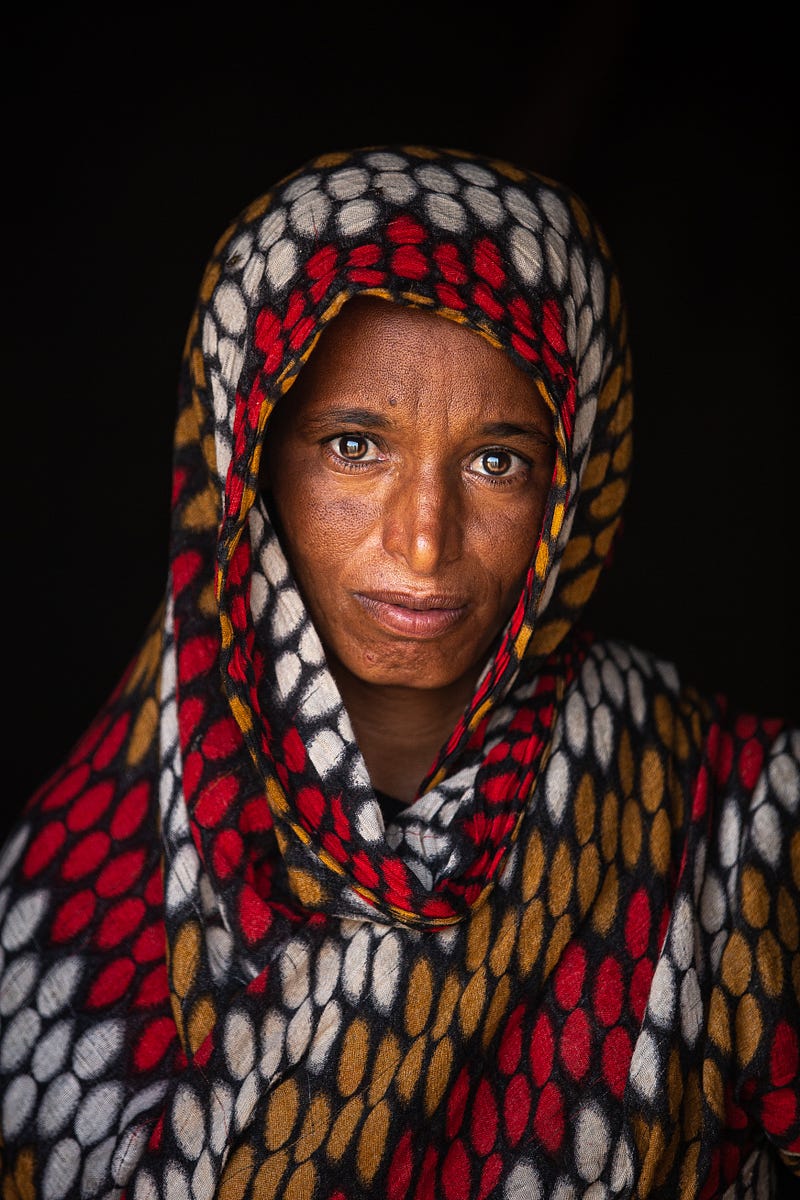
Chad is ranked 160th out of 162 nations in the 2020 United Nations Gender Inequality Index. Twenty years ago, Chad passed a law on reproductive health, which has significantly reduced the use of procedures like FGM. The median age for a first marriage was 16 for girls and 22 for boys, according to a 2015 Concern report, but early and forced marriage is still common. According to a participant in one of the focus groups for this report, “Early marriage is a custom in our community, but a real danger for the girl: pregnancy, surgery, death, and also several cases of running away.”
We’ve seen data like the percentage of women reporting intimate partner violence decline since that report. But there is still much work to be done, especially in education (women graduate with less than two years of education) and political representation. Chad also has the world’s second-highest maternal mortality rate, with 1,140 deaths per 100,000 births.
4. Democratic Republic of Congo
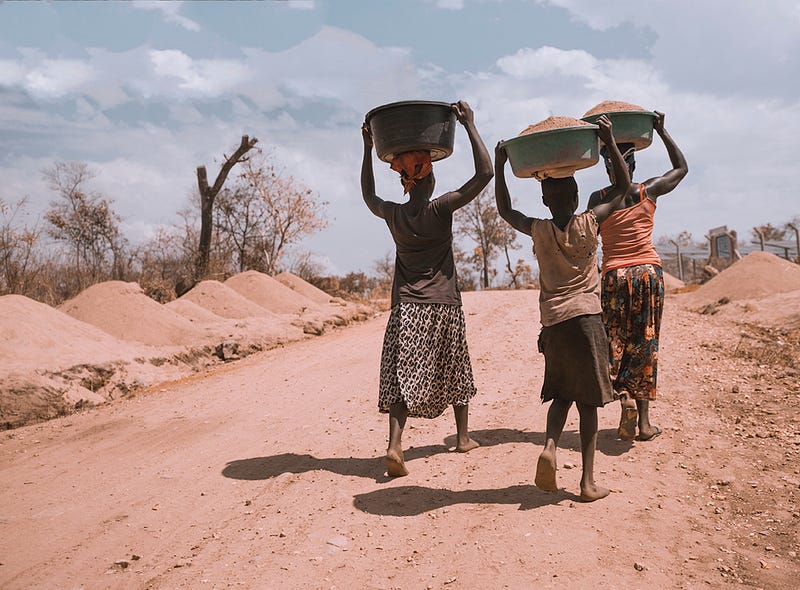
The Democratic Republic of Congo ranks 163 out of 170 on the 2021 WPS Index and 150 out of 162 on the UN’s 2020 Gender Inequality Index. Progress on gender equality in the DRC has been slow, with inequalities existing across all sectors. Many of these discrepancies exist at the legislative level, with the WPS estimating 25% of DRC laws having some level of bias towards men.
An estimated 51% of women in the DRC will experience violence from an intimate partner in their lifetime; 37% have reported so in the last 12 months. 37% of Congolese women also were married before their 18th birthday, and for every 1,000 girls in the DRC, 124 will become mothers between ages 15 and 19. These numbers are reflected in the education discrepancy between genders: men are almost twice as likely as women to go beyond primary education in the DRC — 65.8% of men versus 36.7% of women.
3. South Sudan
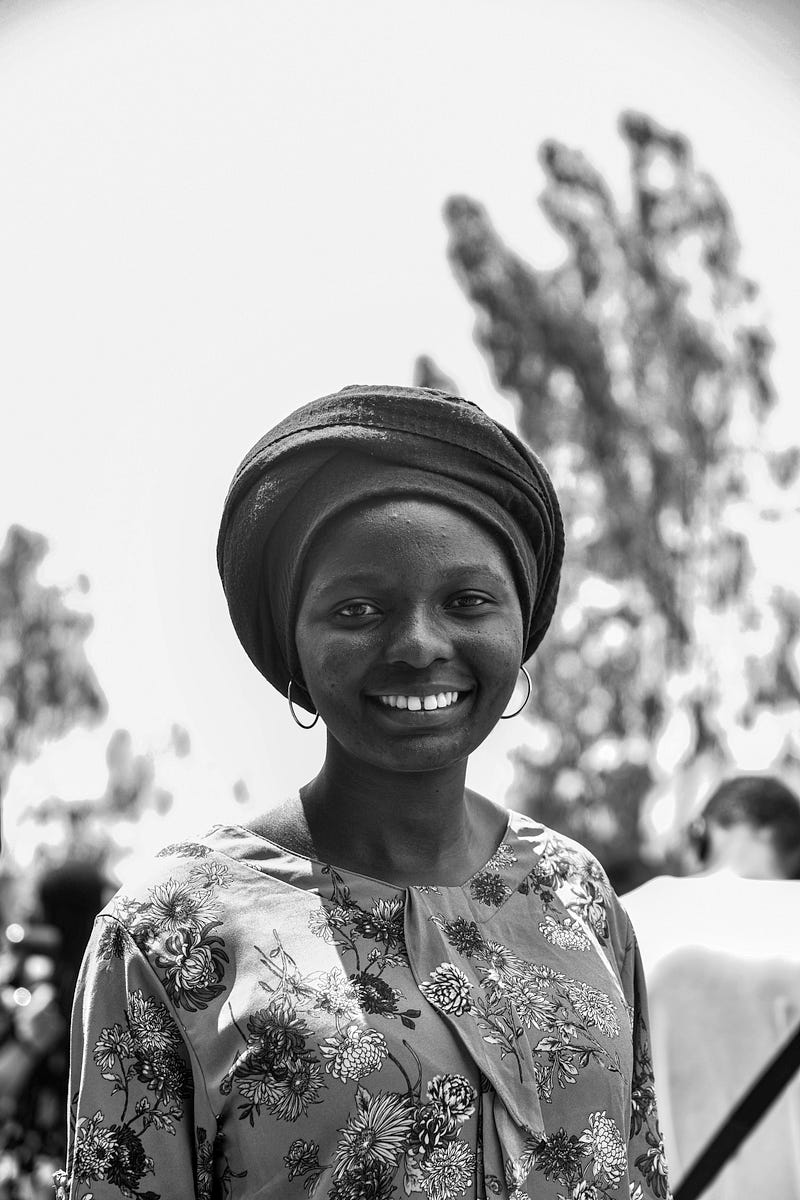
Due to gender violence created by patriarchal culture, South Sudanese women are not allowed to participate in politics or decision-making processes. Women in the family have less decision-making power. Power inequality between genders often results from lack of property ownership and land rights; Less than 5% of women own businesses in their communities and community. The United Nations reports that South Sudan has the highest death rate in the world, with more than 1 in 100 South Sudanese pregnant women dying from complications during or after birth. However, the United Nations does not have enough data in 2020 to rate South Sudan on its Illicit Relations Index.
The 2021 WPS Index uses more data, enough to rank South Sudan 165th out of 170 countries for women’s rights and safety. The country’s long-running conflicts have left women unsafe in their own communities and with their partners; One in four South Sudanese women report an association between abuse towards their partners.
2. UNITED STATES
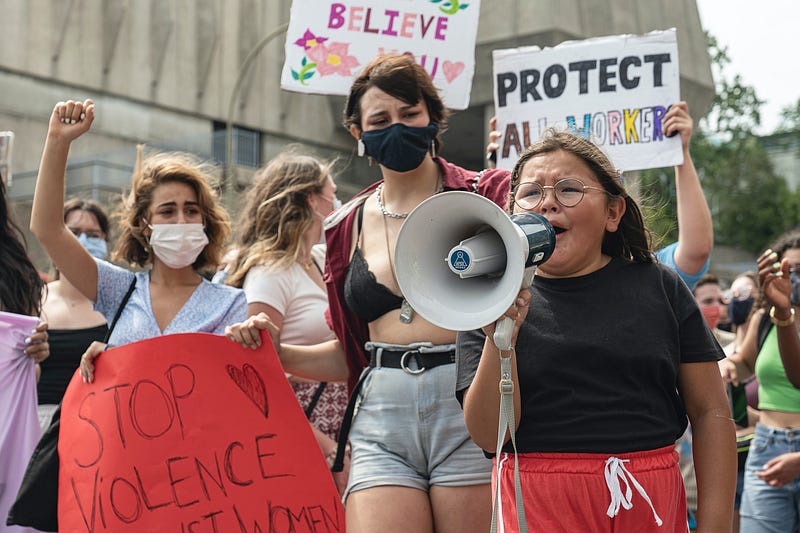
As the only country from the West to be included in the top 10, it is tied with Syria for second place in terms of the threats that women face from sexual violence, which includes crimes like rape, sexual harassment, coercion into sexual acts, and systemic obstacles that prevent justice in rape cases. This significant ranking highlights the significant issues that women in this nation face with regard to their safety and the responsiveness of the justice system. The #MeToo movement, which received a lot of attention the year before, was spreading globally as the survey was being released. A significant global conversation about these issues was started by this social media campaign, which enabled countless women to come forward and share their personal accounts of experiences with sexual harassment and abuse. This conversation further highlighted the urgency addressing and rectifying these deeply ingrained problems within society.
1. Afghanistan
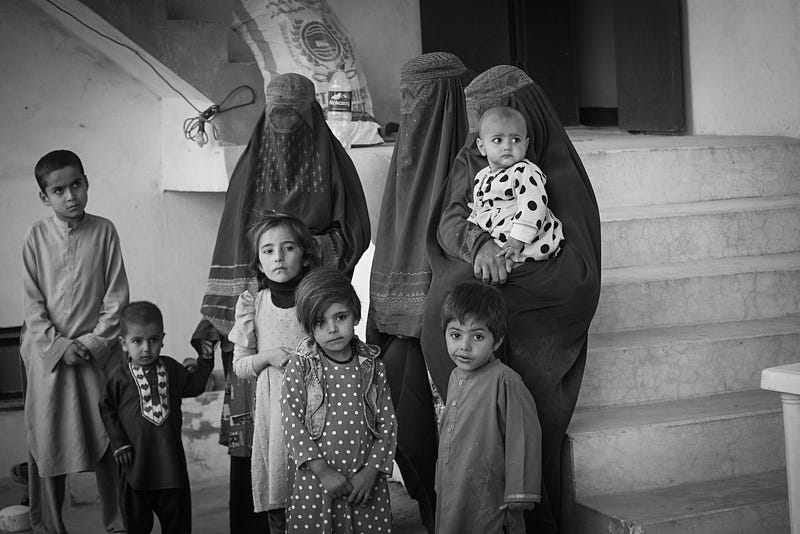
Afghanistan ranks last among 170 countries in the WPS Index and 157th out of 162 countries in the United Nations Gender Inequality Index. More than four years of conflict and gender reform conflict have left many Afghan women and girls uneducated; People who are allowed to study generally do not last more than two years. This situation was also reflected in the accounting of women in the country; WPS is only 7.2%. The country also has one of the highest rates of gender violence; It is reported that 35 out of 100 women are in a relationship with a violent partner.
This fact also reflects the under-representation of women in national decision-making and political processes, with a WPS rate of only 7.2%. Additionally, Afghanistan faces the threat of gender-based violence. Reports show that 35 out of every 100 women in the country have become victims of social violence and abuse, which is a very serious problem.
These distressing reports highlight the urgent need for support and efforts to address the risks of profound gender inequality and violence of relocation in Afghanistan. Achieving gender equality and ensuring the safety and well-being of women and girls in Afghanistan remains an important goal that requires mutual commitment, the unity of the international community, and the commitment of advocates and policymakers.
Conclusion
The stark reality of women’s rights in the top 10 most oppressive nations highlights the urgent need for long-term global action. The severe difficulties that women in these areas face, including violence, discrimination, and inequality, call for our unwavering commitment. As we consider these upsetting situations.


