
10 Amazing Health Benefits of Carrots
And the difference between cooked vs raw.
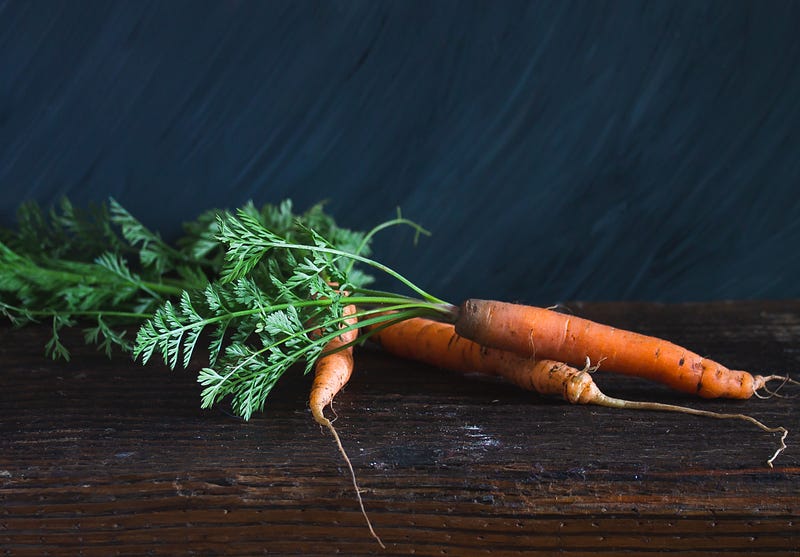
How often do you eat carrots?
If the answer is only occasionally, you might want to think about adding them to your diet a little more often. Carrots tend to be only prepared with a pot roast or cut up in a salad.
Once you learn about the incredible health benefits, I promise you will start looking for new recipes.
In this article, we will discuss the health benefits such as weight loss, heart health, ability to lower blood sugar, eye health, anti-aging, skin benefits, and others. We will cover the best way to consume carrots to obtain the most nutrients, and we will touch on the risks or side effects of consuming this lovely orange root crop.
Health Benefits
1. Anti- Cancer properties
The high beta-carotene that gives carrots their beautiful orange color is a powerful antioxidant. The reduced risk of cancer is tied to those antioxidants.
One study performed by the American Journal of Clinical Nutrition found that those with a high intake of carotenoid antioxidants had a lower risk of lung cancer by 21%.
Some have shown that these nutrients target specific cancer cells like leukemia, colon tumors, and non-tumor cancer cells.
Carrots are one of the richest sources of provitamin A, and a high intake of carotenoids is linked with a significant decrease in post-menopausal breast cancer.
Research has also shown that smokers who eat carrots more than once a week have a lower risk of lung cancer, while a β-carotene-rich diet may also protect against prostate cancer.
The curative effect of carotenoids, antioxidant polyphenols, and dietary fibers against bladder cancer and other carcinomas has also been reported.
2. Improves Cardiovascular Health
A ten-year study from the Netherlands found that the consumption of deep orange produce for each 25 gram per day had a significant impact on heart disease. They note a 32% lower risk of heart disease by eating carrots, which is much lower than taking a statin. Statins are touted to decrease the risk of dying from heart disease by 29%, which is the relative risk (exaggerated to promote their cause), and not the absolute risk, which is only 0.5%, AND carrots have no side effects. There are benefits to taking statins, so I am not stating a specific population should not use them, but carrots have excellent benefits. They should be consumed regularly as part of a heart-healthy program, including clean eating, exercise, and stress reduction.
Carrots also play a vital role in regulating blood pressure due to their potassium levels which help balance sodium levels which take pressure off the heart.
3. Anti-Aging
Retinol is an ingredient found in many anti-aging creams. Beta-carotene is converted in the body to vitamin A. Eat carrots if you want to fight those pesky wrinkles.
Also, Vitamin C is needed for collagen production to provide firmness and elasticity. It also helps alleviate skin problems like rashes, irritation, or psoriasis.
4. Immune System Enhancer
The effect of the immunomodulatory (ability to suppress or stimulate the immune system depending on what is needed) was significantly increased in lymphocytes, eosinophils, monocytes, and platelet concentration. This beneficial effect was due to carrot’s α- and β-carotenoids.
Also noted is the Vitamin C in the carrots needed for absorption of non-heme iron. (Heme iron is found in animal products like beef, poultry, fish/seafood. Non-heme iron is found in plant-based foods like vegetables, fruits, beans, grains, nuts, and seeds.)
5. Improves Blood Sugar
Carrots have a low glycemic index due to all the fiber — especially raw carrots.
Recent research demonstrates a significant association between vitamin A-rich carotenoids and diabetes. Researchers observed higher blood glucose levels and higher fasting insulin levels in participants who had a lower level of carotenoids. Carotenoid levels also decreased as the severity of glucose intolerance increased.
These findings suggest that carrots and vitamin A-rich carotenoids might help people with diabetes to manage their condition.
Carotenoid levels are increased considerably with cooking and adding a little fat.
How many doctors prescribe increased carrots to newly diagnosed diabetics? None that I have worked with.
There is also a strong relationship between dietary fiber intake and a lower risk of type 2 diabetes.
6. Supports Eye Health
A deficiency in vitamin A can cause the eye’s photoreceptors to deteriorate, which leads to vision problems. β-carotene (the carotenoid with the most provitamin A activity) in carrots helps to protect vision, especially night vision and protects against macular degeneration and development of senile cataract, the leading cause of blindness in aged people. Eating carrots rich in β-carotene may help restore vision.
Carrots also contain a couple of bonus antioxidants (lutein and zeaxanthin) that enhance eye health by protecting the retina and the lens.
According to a study published in the American Journal of Opthalmology, women who ate more than two servings of carrots per week had a 64% lower risk of developing glaucoma than women who ate less than one serving. Wow! 64%? that is amazing!
7. Aids Gut/Digestive Health
⅓ cup of cooked carrots contains 2 g of fiber. That is more than a tenth of the amount recommended daily for adults. This high fiber helps keep the digestive system healthy and balances blood sugar levels.
8. Promotes Weight Loss
For the same reason that carrots help regulate the intestines, they also promote weight loss. They are low in calories, high in fiber, and have a low glycemic index. All that fiber also helps provide a feeling of fullness.
9. Promotes Oral Health
Eating carrots increases saliva production, which is needed to keep your mouth wet and rinse away bacteria and food debris left in your mouth after consuming meals, leading to plaque.
Moreover, carrots have vitamin A, which strengthens mucous membranes and keeps the mouth from drying out.
Great idea to eat cooked carrots after any dental/ surgical procedure.
10. Anti-Anemic
Molybdenum is a trace mineral rarely found in many vegetables but is found in carrots. It aids in the metabolism of fats and carbohydrates and is essential for iron absorption. It also contains a good amount of magnesium and manganese.
Tips, Tricks, and Taboos When Preparing Carrots
- Eating carrots raw will maintain the vitamin C content as high heat destroys vitamin C
- Cooking carrots will increase the absorbability of the beta-carotene.
- Eat both cooked and raw carrots to get the benefits provided by both processes.
- To assimilate even more of the beta-carotene, include a little fat like drizzling with olive oil or butter. The added fat can triple the body’s ability to absorb it.
- Don’t leave carrots out too long at room temperature (no more than 2 hours), as this can cause bacteria to grow.
Risks and Side Effects of Consuming Carrots
Allergy: According to this study, some individuals sensitive to birch pollen or mugwort pollen may have an allergic reaction to carrots, itching or tingling of the mouth, swelling, difficulty swallowing, and even anaphylactic reactions.
These reactions can occur in up to 25% of individuals affected by food allergies.
Carotenemia: A less severe side effect is carotenemia which occurs when too much carrot or carotene-containing products are consumed. This condition causes the skin to turn yellow/orange but is mostly harmless and reversible once the carotene is discontinued.
Pesticides: Carrots can absorb a high amount of pesticide residue from the soil. This study found that concentrations of pesticides could be as high as 80% of that found in the soil. What is surprising is that up to 50% of that concentration can be found in the carrot’s pulp (not just the peel).
Some fruits and veggies contain higher levels of pesticides than others. Here is free downloadable wallet card of The Dirty Dozen and the Clean 15 you can take with you go shopping to choose wisely. The best way to avoid pesticides in your fruits and veggies is to grow your own.
Read The Truth About Organic Food
If you want to avoid pesticides, sewer sludge, chemical, toxins, and harmful bacteria consider starting your own garden.
Now that you know all the wonderful and impressive benefits of consuming carrots, how to prepare them, and the risks to be aware of, you can start searching for new and exciting recipes containing carrots.
Try Honey Glazed Carrots with Sunflower Seeds
Or check out Rachel Wharton’s pickled carrots. I understand it used to be a secret recipe.
Do have a favorite recipe using carrots? If so, I hope you will share it with me.
Carrots deserve our respect.
Let’s keep in touch! You can sign up for my newsletter here. If you’re not yet a Medium Member, you can join by using my referral link. For only $5/month, you’ll get unlimited platform-wide access to thousands of writers, including me, and, at no extra cost to you, I’ll receive a portion of your monthly fee.
Originally published at https://www.thehealthytomato.com on February 26, 2020.