
№1: What Is An “Herb”?
Herbalism in the Kitchen: A series helping you become a confident herbalist in your own kitchen.
When used in the context of herbal medicine, an “herb” is any plant with medicinal properties. In a more common sense of the word, “herbs” are typically classified as a seed-bearing, flowering plant that does not have woody tissue in the stem. In culinary terms, an herb is often a green, fleshy, and potent garden plant used in small quantities to flavor food. You might think of basil or oregano as common “herbs”. Conveniently, all of the culinary herbs are actually medicinal herbs as well, but not every medicinal herb is a culinary herb.
Medicinal herbs are also not exclusively edible parts of a plant. In various plants, the medicinal components could be in the roots, bark, wood, stems, leaves, flowers, fruit, seeds, gums, resins, essential oils, or a combination of any of these. That being said, you’ll learn that in many cases, it’s not always required (or even recommended) to consume the herb in order to benefit from the medicinal effects of the plant. We’ll talk more about this when we get into herbal preparations.
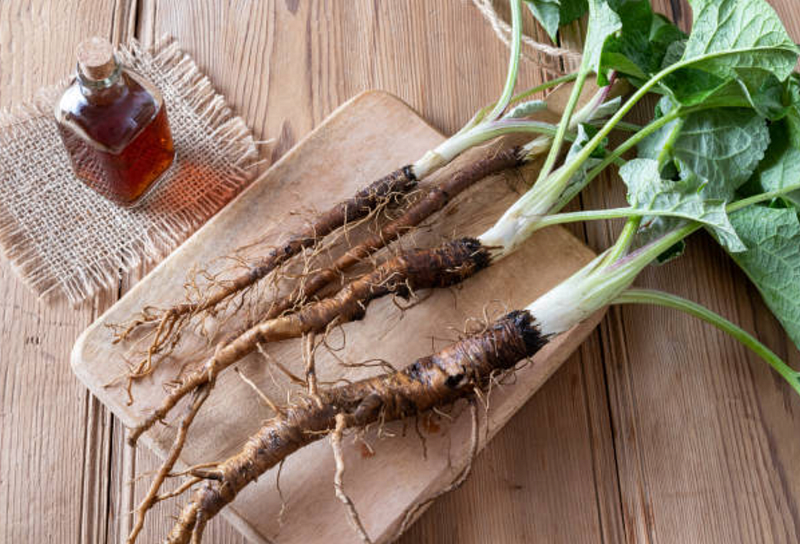
Roots
Some common herbal roots are peony root, dandelion root, burdock root, yellow dock root, and poke root.
Roots are the foundation of a plant, and are responsible for anchoring the plant, extracting water nutrients from the soil to send up the stem, and exchanging water, gases, and nutrients with the soil.
An herb with medicinal properties in the roots can be grounding, nourishing, and calming. Each root is different and treats specific indications, or specific symptoms. It’s important to understand the herb and it’s specific indications by reading a materia medica, or a brief document listing information and therapeutic benefits, about the herb.
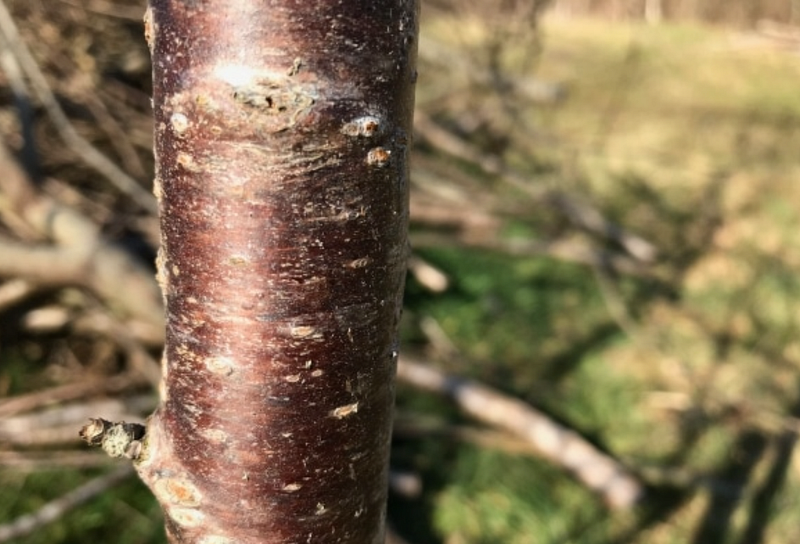
Barks & Woods
Some common herbal barks and woods are cinnamon, wild cherry, quaking aspen, and willow.
Outer barks offer a protective barrier for a plant, and the inner barks are like a highway for nutrients. During the spring, this highway is rushing from the roots up to offer nutrients to the tops of the tree, allowing for growth. During the fall, the highway is rushing down towards the roots, preparing for winter. It’s during these two times a year when harvesting barks are most potent (potency is a topic we’ll cover in an upcoming chapter in this series). Please be careful to harvest sustainably, so you don’t cause irreparable damage to trees and shrubs. You can look up bark harvesting guidelines for more information.
Barks contain many useful constituents including tannins, alkaloids and aromatic resins. An herb with medicinal properties in the bark can be soothing to spasms and inflammation. Each bark is different and treats specific indications, so be sure to read each plant’s materia medica.
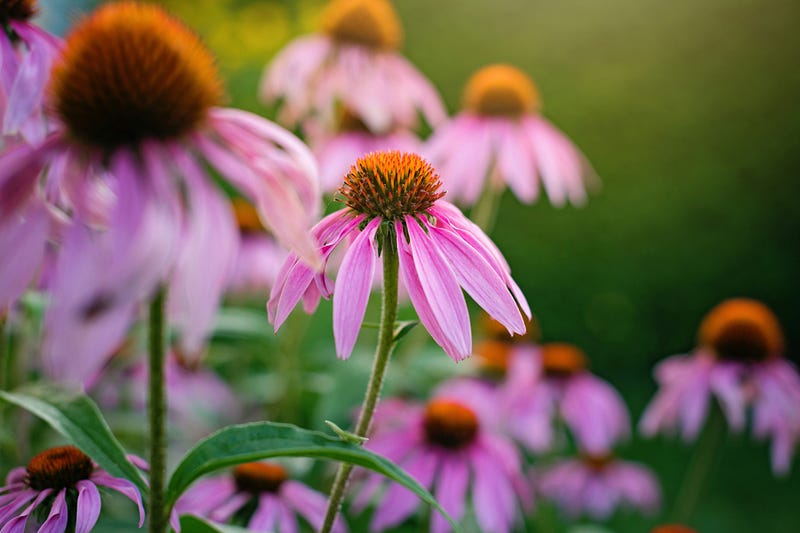
Stems
A common herbal stem is echinacea. In this case, the leaf, stem and root are all commonly used for medicinal purposes.
An herb with medicinal properties in the stem can have a similar effect to leaves and flowers, depending on the herb. Often if the stem is used medicinally, it’s used in combination with these other parts of the plant. Each stem that is used medicinally is different and treats specific indications.
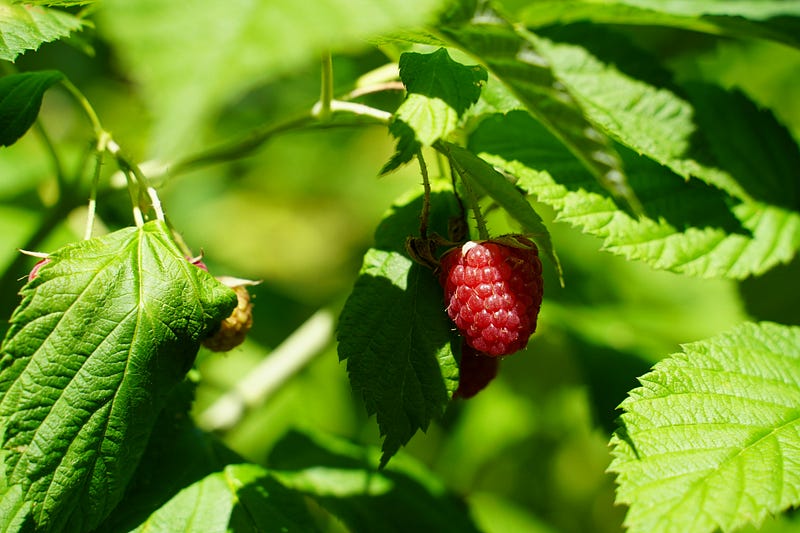
Leaves
Some common herbal leaves are basil leaf, raspberry leaf, agrimony leaf, and sage leaf.
An herb with medicinal properties in the leaf can be astringent and cooling or stimulating. Each leaf is different and treats specific indications. Some leaves may be nutritive and can be enjoyed as food, while others may be more effective (and pleasant) as a tea or tincture to help cure symptoms like nausea, cramping, and many other symptoms.
Leaves are a great way to learn how to use herbalism in your own kitchen. They are an approachable herb that can often be locally harvested or easily purchased as dried herbs. Even common kitchen dried herbs can be used medicinally. You’ll see a wider range of effects with store bought spices because quality can vary. Additionally, medicinal doses for things like sage are much greater than what you might be used to using to flavor your food. We’ll discuss this later in the series when we talk about standard infusions.
Needles
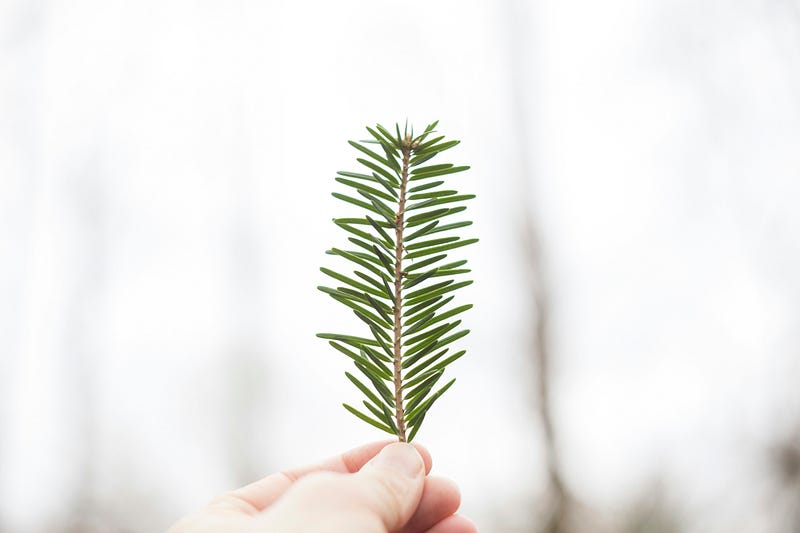
A common herbal needle is pine.
An herb with medicinal properties in the needle can be high in vitamin C and help fight exhaustion. Each needle is different and treats specific indications, so learning the difference in each plant’s materia medica is important.
Flowers
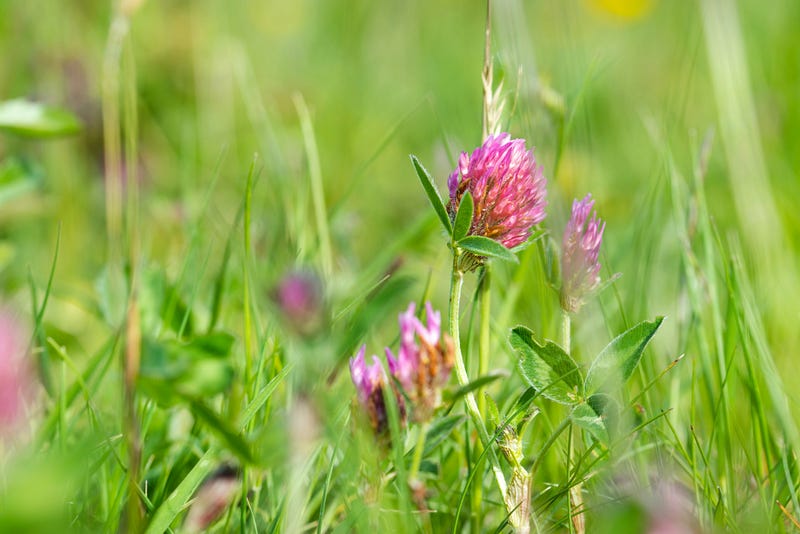
Some common herbal flowers are red clover, goldenrod, monarda, and rose.
An herb with medicinal properties in the flower can be anti-inflammatory, cooling, and astringent. Flowers can be a plant’s ultimate expression of its innate energy. Flowers always bloom during warmer months, so it’s easy to remember as a novice kitchen herbalist that flowers can help with common summer ailments like overheating, dehydration, and high energy. Flower herbs are often astringent, meaning they tone muscles and tissues. For little kids with runny noses and red faces, this can be an effective herb to help cool down and dry up runny, clear mucus. Each flower is different and treats specific indications.
Fruit
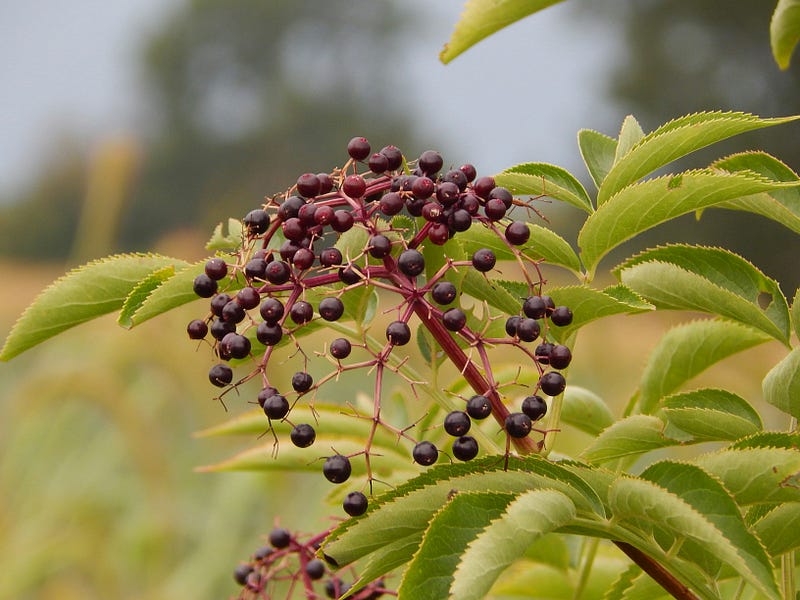
Some common herbal fruit are sumac berries, elderberries, spikenard berries, and cranberry.
An herb with medicinal properties in the fruit can be nutritive, astringent, or help ward off flu’s, among other things. Each fruit is different and treats specific indications. Many fruits that have medicinal properties are sweet, and sour, which are terms herbalists use to describe how the taste relates to the action. Sweet herbs are always nutritive, meaning they build up nutrition in the body. Sour herbs are cooling, and help with inflammation. Together, medicinal fruits have an effective way of supporting the body. Eating fresh, local fruits that have been grown in their ideal climate and under ideal conditions (as in, grown where it thrives and surrounded by other flora, as opposed to a stale environment) is an excellent way to start learning about herbalism in your own kitchen.
Gums
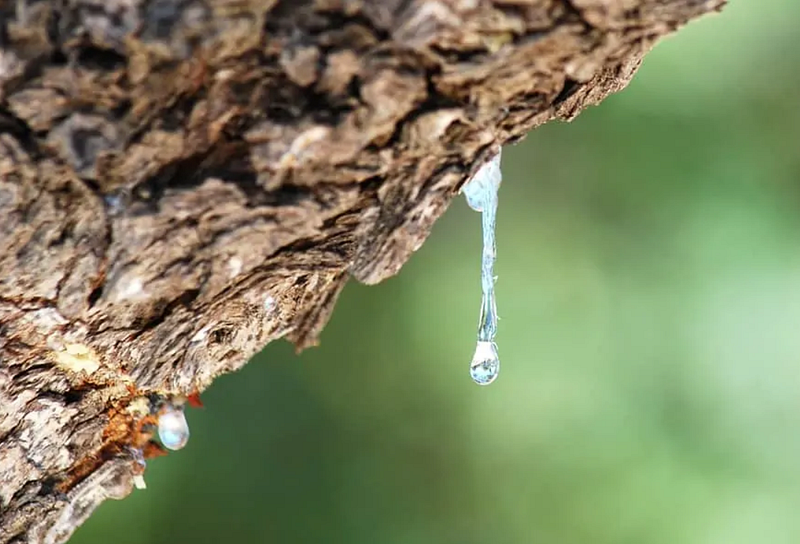
Some common herbal gums are guar gum, chicle gum, and longleaf pine gum.
Natural gums are long chains of sugars that are either water-soluble or capable of absorbing water. Gums are often used in kitchens as thickening agents. An herb with medicinal properties in the gum can be wound healing. Each gum is different and treats specific indications.
Resins
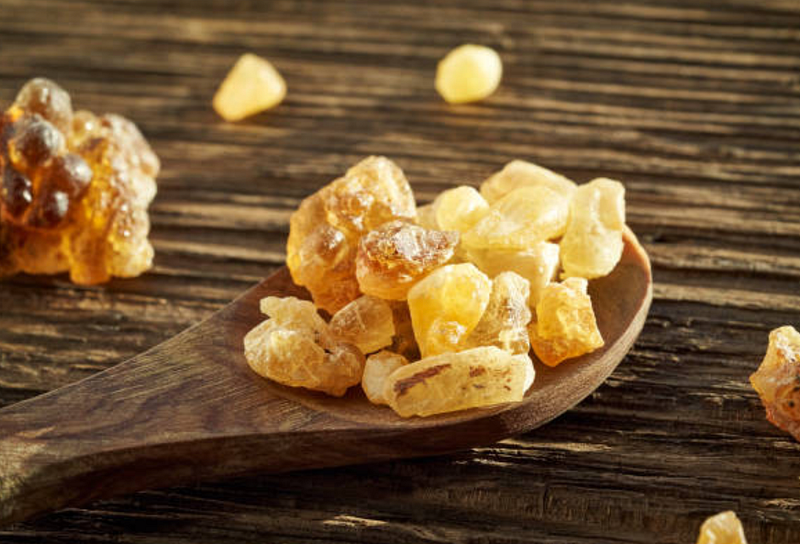
Some common herbal resins are myrrh, frankincense, and mastic.
An herb with medicinal properties in the resin can be healing. Resin is a sappy, gummy substance that usually comes from woody trees (though resins can be produced from other parts of plants and not always from a tree), and is often produced when the plant is wounded as a form of protection. I like to think of resins as a liquid bandaid, and have used the myrrh essential oil as a liquid bandaid in delicate areas. Unlike gums, resins are not water-soluble. They are a mixture of essential oil and terpenes. Each resin is different and treats specific indications.
Resins have a unique and deep history with humankind. People have used resin to waterproof ropes and other shipping materials for thousands of years. Amber is probably the most commonly known historical use of resins: resin traps ancient insects and hardens over time, creating what we call amber. A quick internet search can lead you to many interesting articles about the historical uses of resin.
Essential Oils
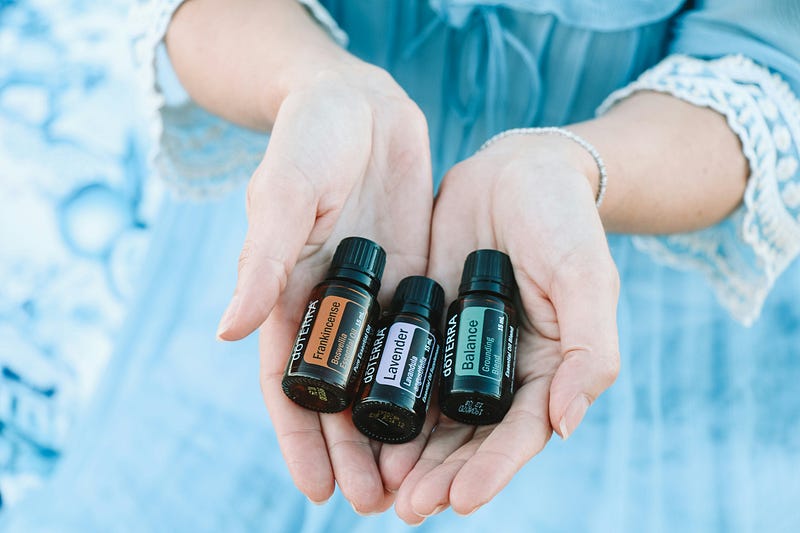
Some common herbal essential oils are lavender, lemon, peppermint, sandalwood, and oregano.
An herb with medicinal properties in the essential oils can have a wide range of effects, because essential oils can be extracted from all parts of a plant. However, not every plant produces essential oils, and not every part of a plant may produce essential oils. For example, some plants have essential oils in the bark, like cinnamon, or in the flowers, like rose, or in the fruit, like orange.
Essential oils extracted from fruits are commonly citrus. Generally speaking, these oils have an uplifting and detoxifying effect on the body. Citrus oils are stimulating, antiseptic, calming, antimicrobial, energizing, and have antioxidants.
Many essential oils are floral. These oils are distilled from the petals or aerial parts of plants. Generally speaking, these oils have a calming and harmonizing effect. Floral oils have anti-inflammatory, antispasmodic, relaxant, antihistamine, analgesic, regenerative, and antiviral properties.
Bark, roots, seeds, and buds of plants that produce essential oils all generally have a warming and protective effect on the body. These are from herbs like black pepper, cardamom, cinnamon, clove, ginger, and more. These “spice” essential oils have a warming, digestive stimulant, immunostimulant, aphrodisiac, antiemetic, anti-infectious, and anti-parasitic properties.
Essential oils from traditional “herb” plants are generally cleansing and activating. These herb essential oils have immunostimulant, detoxifying, antiviral, antifungal, carminative, antibacterial, and anti-parasitic properties.
Essential oils from roots are generally centering and calming. Root essential oils have calming, nervine, grounding, neurotonic, sedative, restorative, and neuroprotective properties.
Essential oils from leaves are generally invigorating and soothing. Leaf essential oils have antiseptic, invigorating, anti-inflammatory, insecticide, analgesic, antibacterial, and antimicrobial properties.
Essential oils from woods are generally grounding and renewing. Wood essential oils have anticatarrhal, regenerative, relaxant, grounding, steroidal, analgesic, and astringent properties.
Essential oils from resins are generally restoring and strengthening. Resin essential oils have anti-inflammatory, cytophylactic, analgesic, restorative, antidepressant, immunostimulant, and antimutagenic properties.
Each essential oil is different and treats specific indications.
Conclusion
An herb is any plant you might use for a wide variety of therapeutic uses. Start to get comfortable looking at the herbs that grow around you and that are native to your area. Consider how the people with a long history to your area might have used those herbs as part of their generational medicines. Learning about how complex and perfectly crafted these herbs were created by our Lord is a wonderful way to remember that He is a sovereign king of kings, a loving father, and a masterful creator.

For Free Access
If you want to learn more about herbalism, you can access my digital library for free at the time of writing this. Visit www.ashleymadich.com/verdancy to get a taste.
I am currently building out my materia medica library, an herbal recipe library, and a course on how to become an herbalist in your own kitchen, and you’re welcome to have free access while it’s under construction.
Soon, it will be a $5/month subscription so that I am able to keep it updated and available to the public.
I include widely accepted and proven formulas, protocols, and wisdom from published authors and certified herbalists, as well as wisdom from my own herbal practice.

To show support
Thanks for reading! If you want to support my writing you can buy me a coffee and subscribe to get notified when I publish a new article.
Thanks again and sending peace, Ashley
P.S. Did I miss something or do you have any questions about what makes a plant an herb? I genuinely want to help you grow in your own herbal practice and it pleases me to be able to help you deepen your herbal knowledge and understanding.